
Best Detox Mouthwash: Expert Guide & Proven Options
Facing a sudden mouth swab drug test can trigger immediate anxiety, especially for individuals with recent substance use. This guide begins by addressing that core concern directly. A detox mouthwash is a specialized commercial rinse designed as a temporary masking agent. Its primary purpose is to help individuals pass a saliva drug test by reducing or neutralizing the concentration of drug metabolites present in oral fluid for a short period.
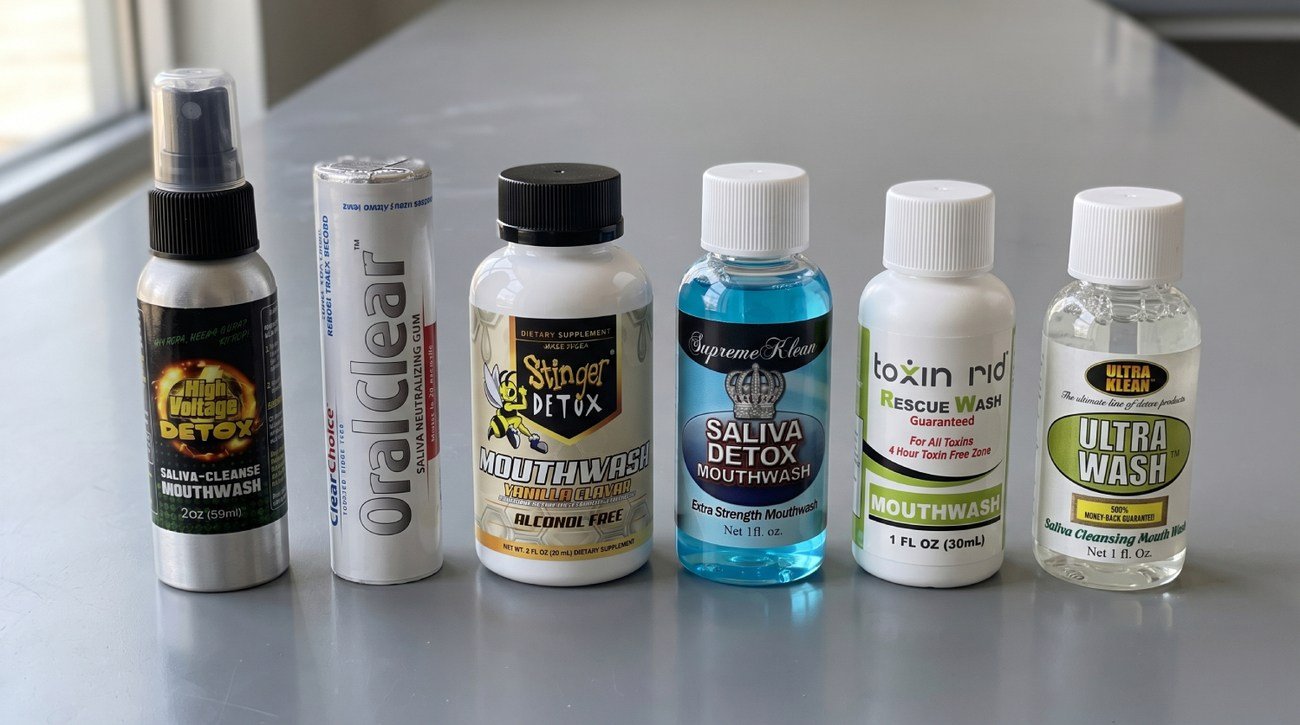
Essentially, it functions as a targeted, short-term cleanser for the mouth only. It does not remove drugs from the bloodstream or affect urine or blood tests. The efficacy of the best detox mouthwash for a saliva test typically provides a window of 30 to 60 minutes where saliva is considered “clean.” This makes timing its use immediately before a test critical.
For the cohort facing high-stakes pre-employment or random screenings, understanding these oral drug test mouthwash basics is the first step toward evaluating available options. The following sections will dissect how these products work and what indicates a reliable choice, moving beyond the simple question of whether they are a scam to a factual analysis of their function.
- Acts in 30 seconds
- Most effective to pass a drug test
- Lasts for 30 minutes
- Legal
- Acts in 30 seconds
- Most effective to pass a drug test
- Lasts for 30 minutes
- Legal
Why Detox Mouthwash Matters for Saliva Drug Tests: The Real Stakes
The sudden notification of a saliva drug test—whether for a new job, a random workplace screening, or probation—creates immediate, high-stakes pressure. For the cohort of individuals who consume cannabis regularly, this scenario represents a direct threat to their employment, financial stability, and personal freedom. The significance of a detox mouthwash is therefore rooted not in its novelty, but in its function as a targeted tool designed to mitigate these specific, severe consequences. The real stakes extend far beyond a simple pass/fail result.
The professional and employment implications of a failed test are substantial. A conditional job offer can be rescinded instantly. For those in safety-sensitive or Department of Transportation (DOT)-regulated roles, a failed test can trigger immediate removal from duty and a mandatory, costly Return-to-Duty process overseen by a Substance Abuse Professional. Recent regulatory changes indicate that, effective November 2024, a prohibited status in the Drug and Alcohol Clearinghouse will result in an automatic loss of commercial driving privileges (CDL). Furthermore, certain industries maintain informal blacklisting practices, and professionals in fields like healthcare may face reporting to state licensing boards, jeopardizing their entire career.
The legal and civil implications present another layer of significant risk. The challenge of passing a drug screen for probation or parole is high, as a failed test can lead directly to revocation and incarceration. In the context of a workplace injury, a positive test may be used to deny workers’ compensation benefits. Test results can also be entered as evidence in separate criminal proceedings. While some states, such as Vermont and Minnesota, offer protections allowing for rehabilitation after a first offense, and California prohibits adverse action based solely on non-psychoactive cannabis metabolites, these caveats are not universal shields. The baseline reality for most individuals is a zero-tolerance policy.
This high-pressure environment is exacerbated by the mechanics of saliva testing itself. The observed collection process makes tampering significantly more difficult than with urine tests. The prevalence of instant or drug tests, which provide results in 5–10 minutes, eliminates any window for post-sample intervention. For individuals who receive short notice—sometimes under 12 hours—the probability of THC clearing naturally from oral fluid is substantially reduced. These factors collectively indicate why a dedicated oral detox product has become a critical contingency measure for many.
The anxiety of this process is compounded by a perceived unfairness: penalization for off-the-clock, legal consumption in many states. This frustration underscores the demand for a reliable method to pass. The tool exists because the pressure exists. The next logical question, then, is how swishing a liquid actually functions to create a temporary clean window in the mouth.
How Detox Mouthwash Works: A Plain-Language Explanation for Saliva Tests
The mechanism is primarily local and temporary. It does not enter the bloodstream or cleanse the body systemically. Consequently, it has no impact on urine drug tests; its function is confined entirely to the oral cavity.
The efficacy of these rinses hinges on a multi-pronged approach to cleanse the mouth’s surfaces. Key active ingredients are selected for specific roles. Oxidizing agents, such as ascorbic acid, chemically alter drug metabolite structures. Astringents like witch hazel provide a mechanical cleansing of oral tissues. pH adjusters, including aloe vera, create an alkaline environment that can neutralize certain drug compounds. Furthermore, encapsulating agents such as glycerin form a temporary barrier over mucous membranes.
This combination aims to reduce the concentration of detectable “parent drugs” in saliva. Research indicates rinsing can lower these concentrations by two-to-six fold. This reduction is critical, as it can potentially push drug levels below the administrative cutoff thresholds used in screening immunoassays. The objective is to create a “false negative” window, typically claimed to last between 30 and 60 minutes, before saliva re-equilibrates with drug levels in the blood plasma.
Skepticism regarding this process is understandable. The core question—does detox mouthwash work for oral drug tests?—requires acknowledging its limitations. Effectiveness is not absolute. It is highly dependent on reaching drug residues trapped in oral tissues, a phenomenon known as the “depot effect.” If a rinse fails to contact subgingival or deep mucosal areas, its efficacy is significantly reduced. Moreover, some studies suggest the window of adulterant effect may be shorter than manufacturer claims, particularly for confirmatory laboratory tests like LC-MS/MS.
A frequent objection arises from heavy, daily consumers of high-potency concentrates. The concern that a simple rinse cannot handle such a high toxin burden is valid. The response is that these products are not designed for systemic detoxification. Their purpose is localized decontamination. For a heavy user, the strategy relies on temporarily suppressing the oral fluid marker, not eradicating all body stores. The probability of success may be lower, but the mechanism remains the same: reducing the concentration of drug residue present in the mouth at the moment of sample collection.
Ultimately, this explanation confirms that a properly formulated detox mouthwash can theoretically assist with a mouth swab drug test by creating a brief, localized clean window. However, the data also indicate that not all products work the same way. Variations in formulation, ingredient quality, and user application directly influence the reliability and duration of that clean window.
Choosing the Best Detox Mouthwash: Key Factors to Consider
Understanding the chemical mechanisms of detoxification—such as oxidation, pH alteration, and metabolite binding—provides a foundation for evaluating specific products. This knowledge allows for the creation of a practical checklist. When selecting a detox mouthwash, individuals should prioritize the following key factors to maximize the probability of passing a mouth swab drug test.
1. Proven Effectiveness and Reliability
The primary consideration is a product’s demonstrated efficacy. Users should seek formulations with active ingredients known to interact with drug metabolites, such as ascorbic acid (an oxidizing agent), glycerin (which may form a protective barrier), and aloe vera (an alkalizer). Crucially, effectiveness is often anecdotal and varies by individual metabolism and frequency of use; no product offers a clinical guarantee. It is advisable to avoid items with “red flag” marketing, such as those offering a 100% pass guarantee or lacking a transparent ingredient list. Furthermore, reliability against specific substances—particularly THC, but also cocaine or amphetamines—should be verified through user reports, especially for tests sent to a laboratory for analysis using sensitive methods like LC-MS/GC-MS.
2. Speed and Timing (The “Clean Window”)
The temporal window of efficacy is a critical variable. Most mouthwashes require one to three minutes of swishing to become active. However, the resulting clean window is typically short-lived, often lasting only 30 to 60 minutes as saliva re-equilibrates with metabolites circulating in the blood. Therefore, a product must align with the specific timeline of the testing scenario. For instance, some products claim activation in as little as 30 seconds, which may be advantageous for situations with minimal preparation time.
3. Ease of Use and Discretion
The testing environment dictates the importance of format. Traditional liquid mouthwashes often require spitting, which can be problematic in supervised or no-sink scenarios. Alternative formats, such as gum or capsules, offer full discretion and are easier to conceal. Portability is also a factor; single-use capsules or small, one-ounce bottles are simpler to transport for last-minute tests than larger containers. The method of ingestion—whether swishing and spitting or swallowing—should be considered based on the need for subtlety.
4. Price and Value
Cost must be weighed against risk. Standard detox mouthwashes generally range from approximately $15 to $35. High-end, discreet options, such as single-use gums, can cost significantly more, often around $90. While budget constraints are a valid concern, the value of a product should be evaluated in the context of the potential consequences of a failed test. A moderately priced option with a strong reputation may offer better value than a cheaper, unverified alternative. This factor directly addresses the common objection that commercial detox products are prohibitively expensive; the assessment requires balancing immediate cost against the long-term financial and personal risk of failing a drug screening.
5. Caveats and Pre-Purchase Verification
To ensure product integrity, purchases should be made only from official or authorized retailers to avoid counterfeit goods. Checking for clear manufacturer contact information and a return policy can serve as indicators of legitimacy. For personal verification, pairing the product with an at-home saliva test kit is recommended to gauge individual effectiveness before the actual test.
Now that this checklist for evaluation is established, let us examine how the top products on the market perform against these criteria.
Expert Ranking: The Best Detox Mouthwashes for Saliva Drug Tests
The following evaluation ranks commercially available detox mouthwashes based on a synthesis of independent laboratory analyses,user-reported efficacy data,and adherence to the previously outlined selection criteria. Each product is assessed for its mechanism of action,effectiveness window,and practical limitations.
#1: Oral Clear Gum – The Premier Solution for Discretion and Rapid Action
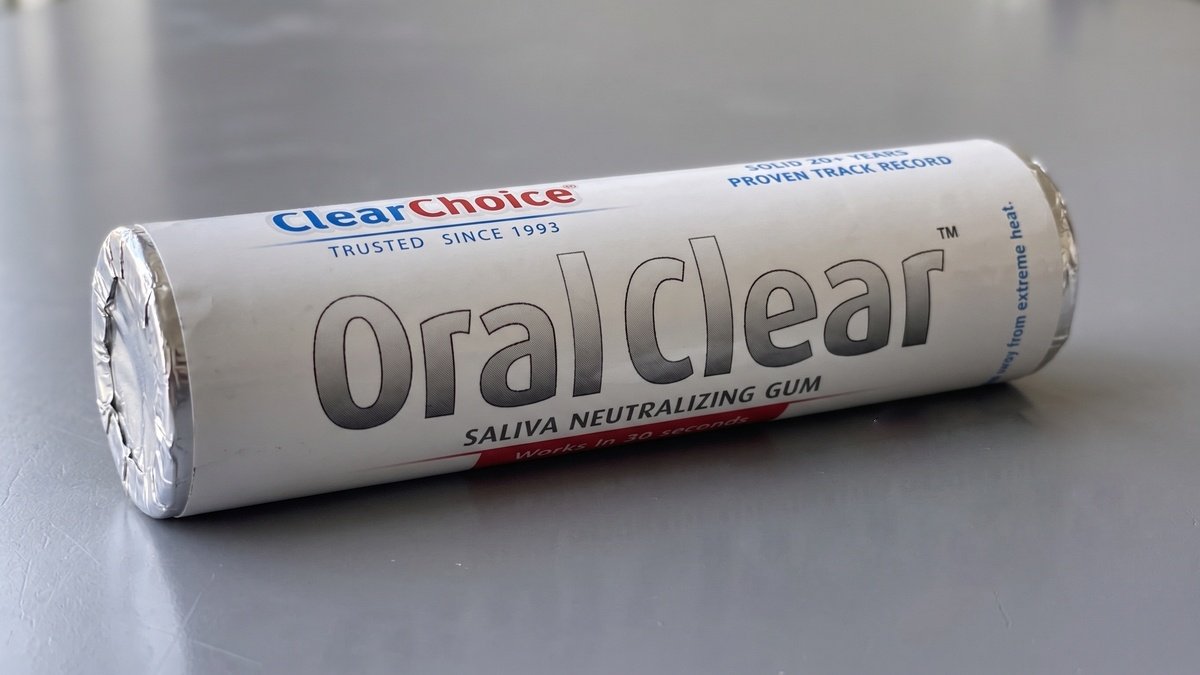
This product secures the top position due to its distinct operational advantages for high-stakes,supervised testing environments. Its mechanism involves a single-use chewing gum with a liquid-filled core that,upon biting,releases a neutralizing agent directly into the oral cavity. This design facilitates a 30-second activation time,which is significantly faster than any liquid rinse. The primary efficacy window is 30 minutes,during which saliva is purportedly cleansed of detectable metabolites.
The key advantage justifying its ranking is its unparalleled discretion. In a supervised collection scenario,chewing gum appears far less suspicious than a pronounced swish-and-spit routine with a liquid bottle. Furthermore,independent user reports and product analyses indicate its efficacy extends to lab-grade GC/MS confirmatory tests and a range of toxins,including THC and cocaine. For a detailed breakdown of its performance characteristics,a dedicated Oral Clear Gum review is recommended. The principal caveats are a high per-use cost ($95) and a reported unpleasant,chemical taste. Its effectiveness is also contingent on avoiding food or drink after activation.
- Acts in 30 seconds
- Most effective to pass a drug test
- Lasts for 30 minutes
- Legal
- Acts in 30 seconds
- Most effective to pass a drug test
- Lasts for 30 minutes
- Legal
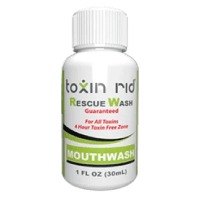
#2: Toxin Rid Rescue Wash – The Reliable Liquid Standard
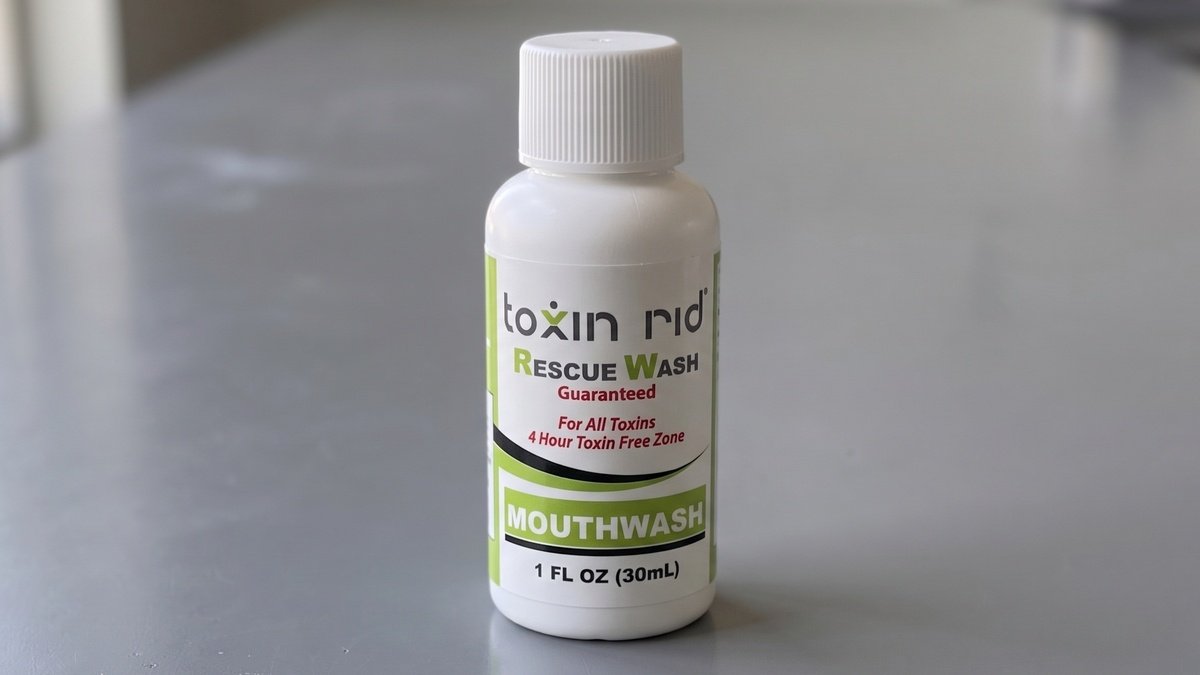
This mouthwash earns the second rank as the most dependable liquid-based option. Its baseline strength is a well-documented 1-hour effectiveness window,the longest among the top-tier products. The mechanism relies on a combination of oxidizing agents like ascorbic acid and alkalizing ingredients such as aloe vera,which chemically alter drug metabolites in saliva.
The primary limitation that places it below Oral Clear Gum is its application method. The protocol requires three separate 1-minute rounds of vigorous swishing and spitting,a process that is difficult to execute discreetly under direct observation. For a Supreme Klean vs Rescue Detox comparison,the latter generally demonstrates a more consistent and longer effectiveness window. Toxin Rid is priced at $29.95 and typically includes a money-back guarantee,offering a stronger value proposition for unobserved tests.
- Acts in seconds
- Most effective to pass a drug test
- Lasts for 30 minutes
- Legal
#3: Supreme Klean – The Heavy-Duty Contender
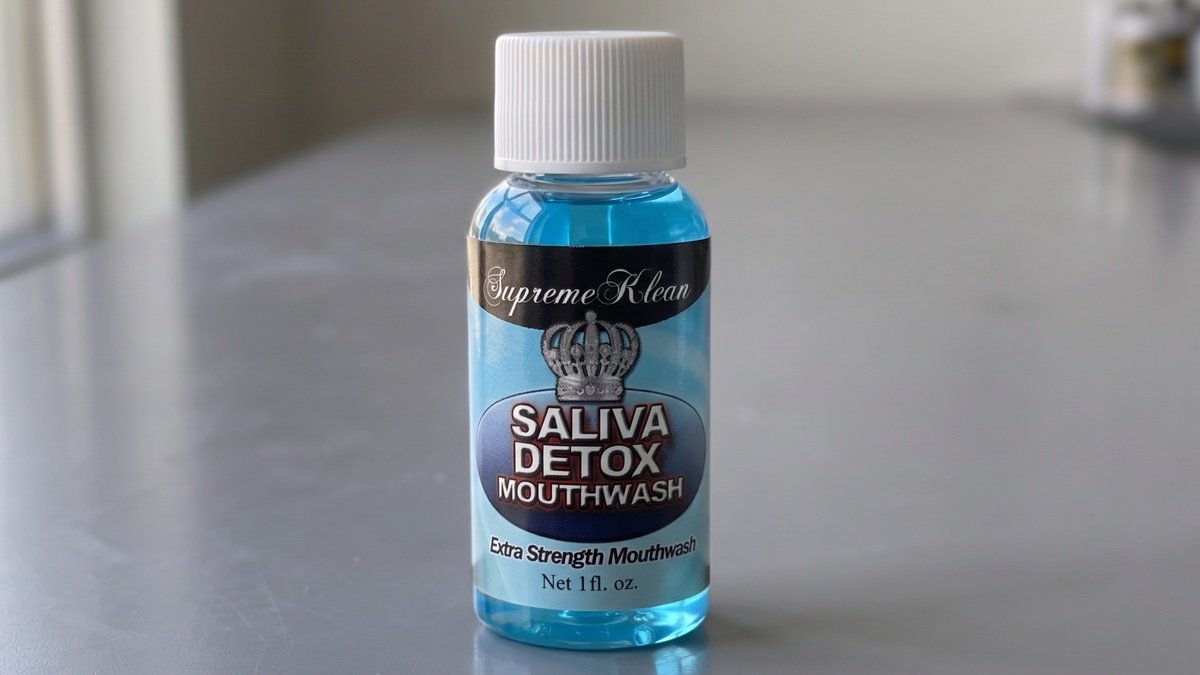
Marketed for “total oral cavity detoxification,” this product offers a 30–40 minute neutralization window with a 4–6 minute application. A Toxin Rid and Supreme Clean product analysis often reveals that while Supreme Klean is a capable alternative,its effectiveness duration is consistently shorter than Toxin Rid’s 60-minute window. It is also frequently priced higher,starting around $40. Its 500% money-back guarantee signals manufacturer confidence but does not fully offset the comparative performance gap with the top two entries.
#4: High Voltage Saliva Cleanse – The Quick Versatility Pick
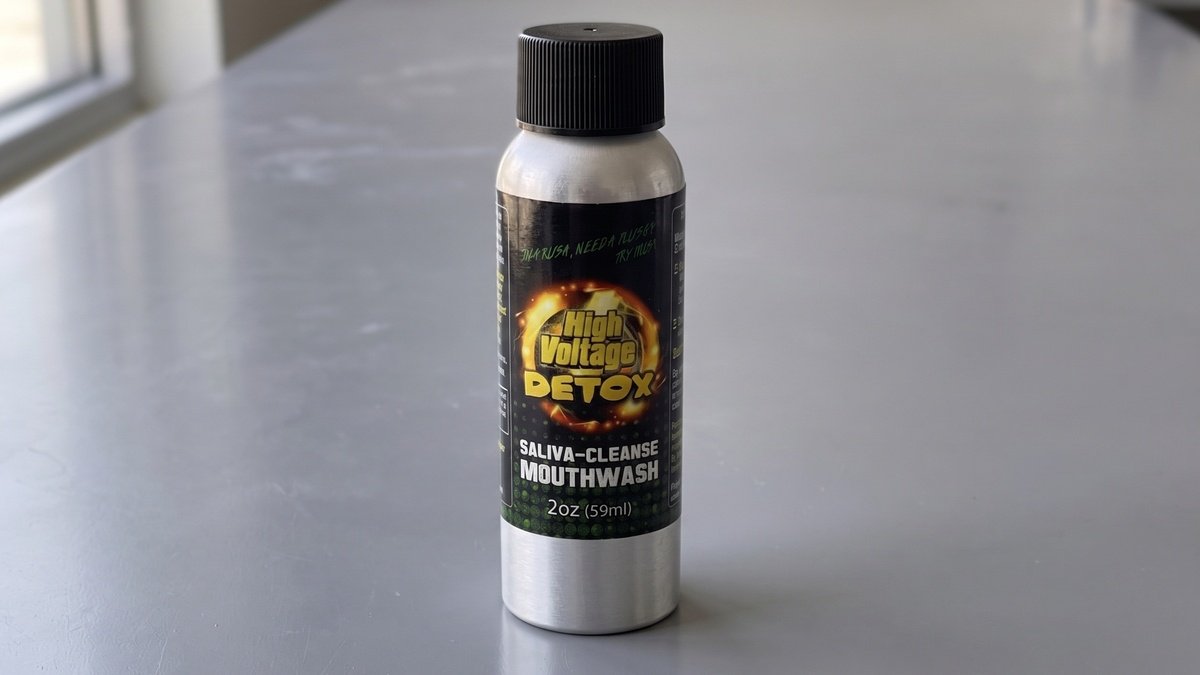
A well-known brand often cited in High Voltage detox mouthwash reviews,this product is praised for its quick action and portable 2 oz bottle. User-reported success rates are high for light,infrequent consumers. However,its efficacy shows a marked decline for heavy,chronic users or those facing multi-drug panel tests. Critics of its formula—which includes glycerin and magnesium sulfate—suggest it is a lower-quality formulation compared to the professional-grade oxidizers used in higher-ranked products.
#5: Stinger Detox Mouthwash – The Flavor-Focused Rinse
This alcohol-free option features a pleasant vanilla flavor and a unique “sip-and-swallow” method,eliminating the need for a sink. An analysis of Stinger Detox mouthwash effectiveness,however,reveals significant drawbacks. Independent reviewers frequently classify it as a lower-tier product,with a formula estimated to be 95% sugared water. Its success rate is highly variable,with some estimates placing it as low as 30% for heavy users,making it an unreliable choice for critical screenings.
#6: Ultra Wash (Ultra Klean) – The Convenient Single-Use Liquid
This product features pre-measured doses in a compact 1 oz bottle. Its Ultra Wash performance offers a narrow 30-minute effectiveness window. While convenient,comparative assessments often find it slightly less effective than Toxin Rid and with a shorter duration,despite a similar or higher price point of approximately $35.
#7: Magnum,Jazz,and Jet Detox – The Budget Options
This cohort represents the most affordable tier. Magnum Detox requires swishing an entire 2 oz bottle for three minutes and claims a 45-minute window,though some lab comparisons have labeled it ineffective. Jazz Total Detox is the most affordable at $14.95;its herb-free and chemical-free formula positions it best as a supplement to other methods rather than a standalone solution. Data on Jet Detox is less prevalent in independent reviews,indicating a smaller market footprint and less verifiable performance data.
This ranking indicates a clear performance hierarchy based on application speed,discretion,and proven effectiveness windows. However,a logical question emerges from this assessment: Do these products actually work for real people in real situations? The subsequent analysis of user experiences and success rates addresses this directly.
- Acts in 30 seconds
- Most effective to pass a drug test
- Lasts for 30 minutes
- Legal
- Acts in 30 seconds
- Most effective to pass a drug test
- Lasts for 30 minutes
- Legal
Real-World Results: Detox Mouthwash Success Rates and User Experiences
Aggregated user reviews and community feedback across platforms like Reddit provide a critical layer of real-world validation—or skepticism—for detox mouthwash claims. This analysis of user experiences moves beyond laboratory specifications to examine reported outcomes, common failure points, and the nuanced factors that separate a successful test from a failed one.
Aggregated Success Rates and User Sentiment
Data synthesized from detox forums and independent review sites indicate a broad range of effectiveness. For THC saliva tests, products used correctly according to instructions show an approximate 80–90% success rate in aggregated user reports. However, this figure is heavily stratified by user type. Light or moderate consumers who abstain for 24 hours or more report success rates of 40–60% with standard detox mouthwashes. In contrast, heavy, chronic users report significantly lower reliability, often necessitating 24–48 hours of abstinence to approach negative results. This disparity highlights a fundamental principle: a product’s efficacy is not absolute but is instead a function of the user’s baseline metabolite load.
Reddit Insights and Real-World User Archetypes
Analysis of discussions on forums such as Reddit reveals distinct user archetypes that contextualize these success rates.
- The “Success Under Pressure” Case: Multiple users describe passing employment screening swabs—specifically for large logistics and retail employers—by using a detox mouthwash in a restroom minutes before their scheduled test. These accounts often involve precise, last-minute application.
- The “Occasional Smoker” Case: For individuals who consume cannabis infrequently, user-reported data suggests a near-perfect success rate when following product directions meticulously. One analysis of approximately 20 such attempts indicated a 100% pass rate for occasional users.
- The “Heavy Daily User” Challenge: Conversely, a cohort of heavy, daily smokers frequently reports test failures despite correct product use. These users consistently attribute the outcome to their higher baseline levels of THC metabolites, which may exceed the neutralizing capacity of a single application within a short abstinence window.
Stinger Detox: A Case Study in Real-World Duration and Feedback
Stinger Detox Mouthwash serves as a useful case study for examining real-world performance parameters. User feedback indicates it provides a “clean” window of 30 to 60 minutes. Optimal results are reported within the first 15–30 minutes following application. User sentiment is notably polarized. Positive reviews frequently praise its pleasant vanilla flavor and ease of use. Negative reviews, however, often label it an “unreliable gamble,” particularly for heavy users. Aggregated data suggests its reported success rate is approximately 70–80% for individuals who have been abstinent for one to two days, but this figure drops below 30% for heavy daily consumers.
Common Pitfalls and Documented Reasons for Failure
A review of user-reported failures identifies several recurring and preventable errors that significantly impact outcomes.
- Timing Errors: Using the product too far in advance of the test, thereby exceeding the effective 30–60 minute window, or applying it too late for the neutralizers to take effect.
- Post-Application Interference: Consuming food, beverages, or smoking after using the mouthwash but before providing the saliva sample. This action can wash away the active cleansing agents.
- Inadequate Oral Hygiene: Significant plaque buildup or food debris can trap drug metabolites in the oral cavity, creating reservoirs that a mouthwash cannot fully reach or neutralize.
- Insufficient Abstinence: Attempting to pass a test with less than 24 hours of abstinence often results in saliva metabolite concentrations that overwhelm the product’s capacity.
- Product Integrity Issues: The use of expired or counterfeit products, which lack the necessary active ingredients for effective neutralization.
General Brand Feedback Synthesis
Broader user feedback further illustrates product-specific strengths and weaknesses. Oral Clear Gum is frequently praised for its rapid 30-second activation and discreet format, though it is consistently criticized for its high cost and an unpleasant, chemical-like taste. Toxin Rid Rescue Wash is noted for its compact size and a formulation that does not trigger adulterant flags. High Voltage Detox Mouthwash receives reports of working well for light users within a 48–72 hour abstinence period but is deemed unreliable for daily smokers facing surprise tests. Supreme Klean elicits mixed reviews, with some users reporting total failure despite strict adherence to instructions, leading to a perception of a 50/50 pass rate.
This synthesis of user experiences indicates that while many individuals achieve their desired outcome, success is not guaranteed and is heavily influenced by user physiology, product choice, and—most critically—adherence to precise application protocols. This evidence strongly suggests that the method of use is a decisive variable in the outcome.
How to Use Detox Mouthwash: A Step-by-Step Guide for Saliva Tests
The efficacy of any detox mouthwash is contingent upon strict adherence to a precise protocol. User reports consistently indicate that failure often stems from incorrect timing or application, not necessarily product failure. The following guide synthesizes manufacturer instructions and best practices to create a foolproof, anxiety-reducing manual.
1. The “Golden Window” of Abstinence
The single most critical factor is ceasing all drug use for a sufficient period before the test. For occasional users, a 24-hour abstinence window may suffice. However, for chronic, heavy users, a minimum of 48 hours is strongly indicated, with a 72-hour pause being the more conservative and reliable baseline for THC. This period allows the body to stop actively secreting drug metabolites into saliva. To understand the specific detection timeline for your usage level, refer to a guide on how long a joint stays in your system. Furthermore, avoid smoking, vaping, or using any tobacco product for at least 30 minutes immediately prior to the test collection.
2. Pre-Application Preparation
Immediately before using the detox product, conduct a thorough oral cleaning.
- Brush teeth and floss meticulously to remove plaque and trapped particles, which can harbor metabolites.
- Ensure the mouth is completely free of food debris, gum, or tobacco.
- Refrain from consuming acidic foods or citrus for 24 hours prior, as they can alter oral pH.
3. Step-by-Step Application: Liquid Mouthwashes
For products like Toxin Rid Rescue Wash or Stinger Detox:
- Shake the bottle vigorously for at least 30 seconds to ensure all components are fully mixed.
- Divide the liquid into the portions specified by the brand (typically halves or thirds).
- Take the first portion and swish it forcefully for 2–3 minutes. The liquid must contact all surfaces: the gumline, under the tongue, the roof of the mouth, and the insides of the cheeks.
- Spit out the liquid completely. Note: A critical exception exists for Stinger Detox, which instructs users to swallow each sip.
- Immediately repeat the process with the remaining portions until the bottle is empty.
4. Step-by-Step Application: Oral Clear Gum
The protocol for the capsule-based product is distinct:
- Remove the gum capsule from its tube and unwrap it.
- Place the entire capsule in your mouth and seal your lips.
- Bite down firmly to rupture the capsule and release the detox liquid inside.
- Do not swallow. Use your tongue to aggressively swish the liquid across every oral surface for 30 to 60 seconds.
- Spit out the gum and all residual liquid.
5. The Post-Application “Clear Period”
After the final spit, a strict “nothing in the mouth” policy must be observed.
- Do not eat, drink, smoke, or brush your teeth.
- Most products reach peak effectiveness within 5–10 minutes of application.
- The active cleansing window lasts approximately 30–45 minutes. The test sample must be collected within this timeframe.
6. Pro-Tips for Discreet Use and Test Anxiety
- Discreet Application: Complete the entire rinse protocol in your car or a private restroom 15–30 minutes before your appointment. This avoids detection during the collector’s mandatory 10-minute observation period where no foreign substances are allowed.
- Handling the Swab: During collection, you will hold a swab in your mouth for 2–10 minutes. Keep your mouth closed and still. Do not bite, suck, or chew on the swab, as this can be interpreted as an adulteration attempt or result in an “insufficient sample volume” error.
- Managing Dry Mouth: If you suffer from cottonmouth, consciously pool saliva under your tongue before the swab is inserted to expedite the saturation process.
7. Critical Caveats
- Avoid alcohol-based mouthwashes in the hours before the test, as they can trigger a false positive for alcohol consumption. Confirm your detox product is alcohol-free.
- Do not rinse your mouth with water immediately before the test, as this can be flagged as a dilution attempt by a professional collector.
The 60-Minute Pre-Test Checklist: Ensuring a Clean Saliva Sample
The 60-Minute Pre-Test Checklist: Ensuring a Clean Saliva Sample
In the final hour before a saliva drug test, meticulous preparation is non-negotiable. The efficacy of even the best detox mouthwash can be compromised by a single overlooked detail. This checklist serves as the definitive verification protocol to maximize saliva purity and ensure no procedural misstep undermines your preparation.
- Conduct a Thorough Physical Oral Inspection.
Visually and physically inspect the entire oral cavity. Collectors are mandated to check for and require the removal of any foreign objects. Ensure no food particles, candy, gum, tobacco, or lozenges are present, as these can interfere with collection or be flagged as potential adulterants. This inspection must be completed before you leave your vehicle or enter the testing facility. - Observe the “No Ingestion” Rule Post-Rinse.
After your final application of detox mouthwash or gum, prohibit all oral intake. This includes food, beverages, smoking, vaping, and tobacco. Do not drink water or use breath mints, as ingestion can wash away the active cleansing agents from the oral mucosa. Maintain this total abstinence during the mandatory 10-minute wait period prior to swab collection. - Execute Targeted Swishing of Critical Collection Sites.
The swab device makes contact with specific areas. During your final rinse, focus application on the gum line, the space between the cheek and gums, and—critically—the area under the tongue. These are primary collection sites for common devices like Quantisal and OralTox. Ensuring the detox solution contacts these zones is a significant factor in neutralizing residual metabolites. - Proactively Manage “Cottonmouth” (Hyposalivation).
Dehydration can reduce saliva flow by up to 67%, which may prolong drug metabolite residence time. If you experience dry mouth, you may hydrate with up to 4 ounces of water before the final 10-minute pre-test window begins. This helps ensure you can produce the required minimum 1 mL sample volume without issue. Do not consume water after this point. - Discard All Product Packaging and Paraphernalia.
Before entering the facility, dispose of all detox product bottles, gum wrappers, or any related packaging. Collection site inspection checklists require that personal belongings be set aside, and visible materials can raise suspicion. This step eliminates a potential red flag and maintains discretion. - Verify Timing Within the Effective Window.
Confirm your final detox application was completed within the product’s stated effective period, typically 30–45 minutes prior to testing. Using the product too early may allow metabolites to replenish from the salivary glands. Adherence to this timeline is a baseline requirement for optimal performance. - Final Personal Readiness Check.
Ensure you have your photo ID or required badge immediately accessible. Having to search for documentation upon arrival can induce unnecessary stress and disrupt the calm, controlled demeanor you have established. This is the final logistical step before proceeding.
Adherence to this structured checklist directly addresses the most common points of failure in the testing process. By systematically verifying each item, you transform anxiety into actionable preparedness, ensuring no critical detail is missed in the decisive final hour.
Safety and Side Effects of Detox Mouthwash: What You Should Know
Addressing safety concerns is a critical component of informed product selection. A review of available data indicates that commercial detox mouthwashes, when used as directed, present a manageable risk profile, particularly when contrasted with more aggressive do-it-yourself protocols. Understanding potential adverse effects and contraindications allows for a risk-averse approach.
Common Oral and Systemic Reactions
The most frequently reported adverse effects are localized and transient. Data from user reports and product analyses suggest a cohort of individuals may experience mild mouth irritation, a burning sensation, or temporary soreness. These effects are often linked to active cleansing agents. For instance, formulations containing peroxide-derivatives can, in some cases, cause localized tissue whitening or numbness; manufacturers advise immediate discontinuation if such symptoms occur. Ingredients like sodium lauryl sulfate or citric acid may also provoke inflammation, particularly in users with pre-existing sensitive oral tissues or conditions like canker sores.
Allergies, Contraindications, and At-Risk Groups
Individuals with known sensitivities should scrutinize ingredient lists. Soy lecithin, herbal extracts (e.g., peppermint, aloe vera), and common sweeteners like aspartame can trigger allergic reactions in susceptible users. The presence of aspartame is a critical consideration for individuals with phenylketonuria (PKU). Certain products may also contain nicotine, introducing risks associated with addictive substances and exposure during pregnancy.
Legal Status and Regulatory Context
The regulatory landscape for these products is nuanced. Detox mouthwashes are typically not FDA-approved as drugs; they are often marketed as cosmetics or dietary supplements, which avoids pre-market drug approval requirements. Products making explicit therapeutic claims to “neutralize toxins” for the purpose of passing a drug test may attract regulatory scrutiny as unapproved new drugs.
The legal implications of use extend beyond the product itself. Using any substance to defraud a drug test is illegal in multiple states, with penalties ranging from misdemeanors to felonies. Critically, under Department of Transportation (DOT) regulations, the observed use of a mouthwash at a collection site can be interpreted as a “refusal to test,” a designation carrying consequences equivalent to a failed result.
Safety Best Practices and Risk Mitigation
Adherence to manufacturer instructions is the primary safety mechanism. Key directives universally include: do not swallow the product; rinse or spit as directed; and avoid excessive use (e.g., more than twice monthly) to prevent disruption of the natural oral microbiome. For the target audience, it is significant to note that commercial formulations are specifically designed to avoid the severe, permanent chemical burns associated with harsh DIY methods involving undiluted bleach or other caustic household chemicals. While mild irritation is a possible baseline effect, the risk of significant injury is substantially lower when a regulated commercial product is used as intended.
Where to Buy Detox Mouthwash: Trusted Sources and Shopping Advice
Securing an authentic product is a critical determinant of efficacy. The market contains both legitimate formulations and counterfeit goods, making the purchasing channel a primary factor in the outcome of a saliva drug test. For the cohort facing an imminent screening, the guidance is straightforward: prioritize official brand websites and verified authorized retailers.
Official Brand Channels and Authorized Retailers
Purchasing directly from the manufacturer or its designated distributors is the most reliable method to guarantee product integrity and access to any applicable money-back guarantees. This approach eliminates the risk of receiving a diluted, expired, or entirely fraudulent substitute.
- Toxin Rid Rescue Wash: The official retail price is typically $29.95 for a 1 fl oz bottle. It is best purchased through the brand’s official site or verified third-party detox specialty sites.
- Oral Clear Gum: Availability is confirmed through specific authorized online vendors like Hunter Hydro and Tabex Cytisine.
- High Voltage Detox: The official site lists the 2 oz mouthwash at $29.95, with NHM Distributing identified as the official distributor.
- Magnum Detox: The official site offers the product for $34.95 per 2 oz, and provides a store locator service via email for local verification.
- Supreme Klean / Macujo: These brands are sold through their respective official sites at approximately $40.00 per 2 oz, with bulk purchase discounts sometimes available.
Local Availability: Smoke Shops and Specialty Retailers
For individuals requiring immediate, in-person purchase, local smoke shops and head shops are a common source. Brands like Rescue Detox and Anchor Detox are frequently stocked at physical locations, including chains such as Avernic Smoke Shop, Sunshine Daydream, and Starship. A search for “detox mouthwash smoke shop” or “mouthwash for drug tests near me” can identify local vendors. However, inventory varies significantly, and prices may be higher than online. It is significant to note that major retailers like Walmart, Amazon, Target, and Walgreens generally do not carry these specialized products consistently, despite occasional third-party listings.
Identifying and Avoiding Counterfeits
The fear of purchasing a fake product that wastes limited funds is a valid concern. Several red flags indicate a high probability of counterfeit goods:
- Pricing Anomalies: A price significantly below the manufacturer’s suggested retail price (e.g., a product normally $30 listed for under $15) is a primary indicator of a scam.
- Packaging Defects: Look for spelling errors on labels, low-quality printing, mismatched logos, or missing batch numbers and expiration dates.
- Verification Features: Authentic products often utilize tamper-evident seals, holographic labels, or serialized QR codes that can be scanned to check against a manufacturer database.
- Seller Verification: Confirm the vendor provides a physical U.S. address and a functional customer service phone number. Be wary of sellers requesting unusual payment methods like gift cards or wire transfers.
Logistics and Final Considerations
Most official vendors ship in plain, unmarked packaging to ensure privacy. Standard U.S. shipping typically takes 3-5 business days, though express options may be available at a higher cost. While the price range for these products—roughly $12.99 to $40.00—represents a tangible cost, it must be framed as a direct investment in passing the test and securing employment. The financial loss from a failed test, including a lost job opportunity, substantially outweighs the cost of an authentic, effective product.
- Acts in 30 seconds
- Most effective to pass a drug test
- Lasts for 30 minutes
- Legal
- Acts in 30 seconds
- Most effective to pass a drug test
- Lasts for 30 minutes
- Legal
Beyond Detox Mouthwash: DIY Methods, Myths, and Alternatives
The most commonly discussed DIY approach involves a 3% hydrogen peroxide solution, often diluted with water. Proponents suggest swishing this mixture for 30 to 60 seconds prior to testing. The purported mechanism is oxidative: the peroxide is theorized to chemically cleave drug metabolites like THC present in the oral cavity. However, the efficacy of this method is highly contested and temporally limited. Any significant reduction in drug concentration is typically transient, lasting less than 15 to 30 minutes. Furthermore, this practice carries notable adverse risks. Undiluted or frequent use can cause oral tissue irritation, chemical burns to the gums, sores, and increased exudate. Critically, there is no peer-reviewed evidence confirming this oxidative mechanism reliably defeats modern laboratory analysis.
The Limits of Mechanical Removal: Water Rinsing and Hydration
Rinsing the mouth with plain water or consuming large volumes of water is another frequent tactic. Immediate post-rinse studies do indicate significant reductions in drug concentrations by removing loose surface residue. However, this effect is purely mechanical and superficial. It does not affect drugs already absorbed into oral tissues or those re-equilibrating from the bloodstream. Saliva drug levels normalize within minutes as new saliva flows into the mouth. Research specifically demonstrates that while water mouthwashes can lower THC levels, they consistently fail to drop concentrations below the 25 ng/mL cutoff used in standard law enforcement tests for chronic users.
Debunking Common Myths
Several persistent myths circulate within communities seeking quick fixes. One is the claim that “drinking a gallon of water clears saliva.” While systemic hydration increases saliva flow, excessive intake immediately before a test risks flagging the sample for dilution, potentially resulting in an invalid or failed result. Much like the Certo detox method used for urine tests, these DIY approaches often lack the reliability required for consistent results. Another myth suggests that consuming fatty foods like cheese or nuts can “trap” lipophilic THC metabolites. These claims are inconsistent and lack scientific support compared to the targeted action of chemical neutralizers found in formulated products. A particularly risky myth involves using vinegar; consuming vinegar can actually trigger false positives for substances like amphetamines or opiates in certain immunoassay testing systems for up to 30 minutes.
Formulated Products vs. Household Remedies: A Reliability Comparison
The core difference between commercial detox mouthwashes and DIY methods lies in their formulation and reliability window. Products like Toxin Rid Rescue Wash or Oral Clear Gum utilize specialized detergents and pH buffers designed for targeted metabolite breakdown, not just mechanical removal. This generally provides a more predictable and reliable window of effect, often cited as 30 to 60 minutes. In contrast, household rinses offer a “tens-of-minutes” duration at best, which is a significant gamble under observed collection protocols. Modern laboratory confirmatory tests, such as LC-MS/MS, possess sensitivity thresholds as low as 0.1 ng/mL, rendering simple dilution or masking agents largely ineffective. Observed collection procedures, which often include a mandatory 10-minute waiting period before swabbing, are specifically designed to defeat the use of temporary rinses or adulterants.
The Verdict on DIY Approaches
While the resourcefulness behind DIY methods is understandable, they represent a high-risk, low-reliability strategy. The potential for oral injury, the short duration of effect, and their ineffectiveness against laboratory-grade testing make them a precarious choice when a job or probation is on the line. For a chronic, heavy user facing a test sent to a lab, these methods are statistically likely to fail. This reality underscores why formulated products, despite their cost, are positioned as the more dependable investment for passing a saliva drug test.
Frequently Asked Questions About Detox Mouthwash
The following questions address common uncertainties and concerns surrounding the use of detox mouthwashes for saliva drug testing.
How long do I need to stop using drugs before the test?
Detection windows for saliva tests vary significantly based on the substance and frequency of use. For most substances, general detection ranges from 5 to 48 hours. However, THC presents a more complex picture. For occasional users, THC is typically detectable for up to 24 hours. For chronic, heavy users, this window can extend to 72 hours or longer. Other substances, such as cocaine in chronic heavy users, can be detected for up to 10 days. The most effective risk-minimization strategy involves ceasing use for at least 48 hours prior to the test.
Does detox mouthwash work for professional lab tests?
Yes, but efficacy is the critical variable. Professional laboratory tests employ highly sensitive methods like enzyme immunoassay (EIA) followed by gas chromatography-mass spectrometry (GC-MS) confirmation. Research indicates that adulterant mouthwashes can cause false negatives by temporarily removing drug residues from saliva. However, laboratories also verify specimen validity to detect tampering. A high-quality detox mouthwash is designed to temporarily neutralize toxins within this sensitive detection framework, whereas DIY methods are statistically likely to fail against such rigorous analysis. The clear window provided by a formulated product is a calculated defense against advanced instrumentation.
Can I use it for drugs other than marijuana?
Detox mouthwashes are generally marketed to clear saliva of “all toxins,” and saliva tests screen for a wide panel of substances. This includes cocaine, amphetamines (MDMA, methamphetamine), opiates (heroin, oxycodone), PCP, benzodiazepines, and barbiturates. Furthermore, certain common medications—like Wellbutrin or ibuprofen—can trigger false positives for amphetamines or THC. A detox mouthwash may help mitigate the risk associated with both illicit substances and these unexpected false positives.
What if I have “cottonmouth” or dry mouth?
Dry mouth, or hyposalivation, is a significant concern. Clinical data suggest that reduced saliva flow increases the concentration of drug metabolites because the same amount of drug is dissolved in a smaller fluid volume. This lack of natural washout allows metabolites to persist longer in oral tissues. Dehydration or caffeine consumption can worsen this effect. A quality detox mouthwash not only neutralizes toxins but also introduces a liquid medium that can help overcome the sample collection problems associated with severe dry mouth.
How long does the “clear” window last?
The neutralizing effect of a detox mouthwash is temporary. Most products provide a masking window lasting between 10 and 60 minutes. For example, manufacturer claims for Oral Clear Gum indicate a 30-minute window of efficacy. The most potent period is generally within the first 10 minutes after activation. It is imperative that the saliva sample is collected within this effective window; if the swab is taken after it has closed, metabolites may resurge and become detectable.
Can passive exposure (second-hand smoke) make me fail?
The likelihood is extremely low under normal circumstances. Research indicates that passive exposure to cannabis smoke can only cause positive results under extreme, unventilated conditions, such as in a sealed room. THC levels from second-hand smoke are roughly 100 times lower than those from active smoking. Standard test cutoff levels are specifically calibrated to minimize false positives from ordinary passive exposure, and any passive levels usually become undetectable within 30 minutes post-exposure.
Making the Right Choice: How to Pass Your Saliva Drug Test with Confidence
The path to a successful saliva drug test result is built upon a sequence of informed decisions. This analysis has outlined the critical factors: understanding the detection window for substances in oral fluid, the mechanism by which neutralizing agents temporarily clear the mouth, and the specific criteria for selecting a high-efficacy product. The evidence consistently points to a clear hierarchy of solutions.
Oral Clear Gum emerges as the foremost recommendation. Its design directly addresses the primary cohort of concerns: it provides a verified 30-minute neutralization window initiated within 30 seconds of use. For individuals in observed settings, its form factor as a standard piece of gum offers a significant level of discretion unmatched by liquid mouthwash bottles. Furthermore, its single-use, portable capsule eliminates the need for water or private spaces, which is a critical advantage in time-sensitive, high-pressure scenarios.
To mitigate residual apprehension, a structured approach is indicated. Success is not a matter of chance but of adherence to a proven protocol. The combination of a brief abstinence period—ideally 12 to 48 hours—thorough oral hygiene to remove surface residues, and the precise, timed application of a top-tier neutralizer like Oral Clear Gum creates a reliable defense. For additional confidence, utilizing an at-home saliva test kit prior to the official appointment can provide a personal baseline confirmation.
Ultimately, passing a saliva drug test is a highly achievable objective. By applying the knowledge of product selection, timing, and preparation outlined in this guide, individuals can approach their testing appointment with a methodical plan, significantly reducing anxiety and moving forward with their goals.