
Jazz Total Detox Review: Does It Really Work?
The high-stress reality of facing an imminent urine drug test often leads individuals to search for a fast, reliable solution. A frequent subject of this search is the Jazz Total Detox drink, prompting a critical need for a clear, unbiased jazz detox drink review. This analysis aims to provide a beginner-friendly evaluation of the product’s actual reliability, cutting through the noise of conflicting online testimonials.
The primary question this review will answer is straightforward: does Jazz Total Detox work? The purpose here is not to market the product, but to examine its claims, its mechanism, and the tangible outcomes reported by real users. To do this, the following sections will explain precisely what the product is, detail how it is supposed to function within the body, and present the spectrum of jazz total detox reviews from platforms like Reddit and TikTok. This foundational information is essential before forming any conclusion.
Ultimately, the central inquiry for anyone considering this purchase is whether the investment of time and money translates into a passed test. The subsequent analysis will equip the reader with the necessary facts to judge if this popular drink is a dependable tool or a significant gamble.
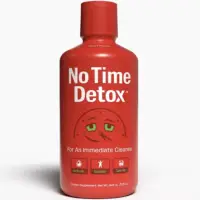
- Hits the "Clean Zone" in just 2 to 4 hours.
- Packed with B-vitamins & Creatine for natural yellow pee.
- Great taste that won't make you sick or throw up.
- Gives you a safe 5-hour window to pass your test.
- Backed by 30+ years of science to save your job and freedom.
- Hits the "Clean Zone" in just 2 to 4 hours.
- Packed with B-vitamins & Creatine for natural yellow pee.
- Great taste that won't make you sick or throw up.
- Gives you a safe 5-hour window to pass your test.
- Backed by 30+ years of science to save your job and freedom.
What Jazz Total Detox Is: A Temporary Detox Drink for Test Day
The product known as Jazz Total Detox is a pre-formulated liquid concentrate. It is designed for consumption on the same day as a drug test. This categorizes it as a temporary “flush” or “masking” aid, not a system for permanent toxin removal. The formulation aims to create a brief period during which urine may test negative for drug metabolites.
The beverage is available in standard sizes, typically 10oz and 16oz bottles. It is marketed in multiple flavors, including Blue Raspberry, Wild Cherry, and Orange Mango. The formula is described as “herb-free,” utilizing laboratory-grade compounds such as B vitamins and creatine monohydrate.
For individuals searching for “jazz detox near me,” the product is frequently stocked in local smoke shops, head shops, and some pharmacies. It is also widely available through online retailers. The core function of this jazz detox drink is to act as a temporary filter for the bladder. It seeks to dilute urine and add back markers that labs check for validity, such as color and creatinine levels.
This establishes what the jazz total detox product is. The logical subsequent question concerns the specific process by which it attempts to achieve this temporary effect.
The Claimed Mechanism: How Jazz Total Detox Is Supposed to Work
The theoretical framework behind Jazz Total Detox centers on a two-stage process of internal adulteration. The primary claim is that the formulation does not permanently eradicate drug metabolites from the body’s tissues. Instead, it aims to create a temporary, clean testing window by manipulating the composition of urine at the time of voiding.
The first stage involves system flooding and induced diuresis. The liquid concentrate base is designed to significantly increase fluid volume in the bladder, thereby diluting the concentration of metabolites like THC-COOH below standard immunoassay cutoff thresholds, often set at 50 nanograms per milliliter. Caffeine, acting as a diuretic, stimulates renal function to accelerate this flushing process. Concurrently, ingredients like glucose and sucrose are purported to provide an immediate energy source. The suggested rationale is that this may discourage the body from catabolizing fat tissue—a primary storage site for THC metabolites—during the critical testing window, theoretically reducing the release of toxins into the bloodstream for excretion.
The second stage focuses on nutrient replenishment to mask the dilution. This is where specific additives counteract the validity checks performed by certified laboratories. Creatine monohydrate is included to elevate urinary creatinine levels. Laboratories measure creatinine—a waste product of muscle metabolism—as a baseline marker; concentrations below approximately 20 milligrams per deciliter can flag a sample as overly diluted or substituted. Furthermore, a B-vitamin complex, typically including B2 (riboflavin), is added to impart a natural yellow hue. This addresses the visual indicator of dilution, as clear urine can prompt further scrutiny. Electrolytes like potassium chloride aim to maintain ionic balance and specific gravity, another metric labs use to assess sample normality.
Ultimately, the efficacy of this entire mechanism is contingent on precise execution within a narrow temporal frame. The product literature suggests a window of three to five hours during which the urine is theoretically cleansed and normalized. However, understanding this claimed process is foundational; its practical application demands strict adherence to protocol, a factor critical for any potential success and examined in the subsequent steps.
- Hits the "Clean Zone" in just 2 to 4 hours.
- Packed with B-vitamins & Creatine for natural yellow pee.
- Great taste that won't make you sick or throw up.
- Gives you a safe 5-hour window to pass your test.
- Backed by 30+ years of science to save your job and freedom.
- Hits the "Clean Zone" in just 2 to 4 hours.
- Packed with B-vitamins & Creatine for natural yellow pee.
- Great taste that won't make you sick or throw up.
- Gives you a safe 5-hour window to pass your test.
- Backed by 30+ years of science to save your job and freedom.
Using Jazz Total Detox: A Step-by-Step Guide and Critical Timing
Transitioning from the theoretical mechanism to practical application, the efficacy of Jazz Total Detox is contingent upon meticulous adherence to a specific protocol. The following jazz detox instructions outline the critical steps and timing required to attempt to achieve the desired toxin-free window.
Pre-Test Preparation
Successful use begins well before test day. The manufacturer and independent sources indicate a baseline preparation period is necessary.
- Abstain from Toxins: A minimum 48-hour period of abstinence from all toxin exposure is recommended prior to the test for optimal results.
- Meal Timing: Consuming a substantial meal 6–12 hours before using the product helps maintain energy and efficient processing of the compounds.
- Dietary Caution: On the day of use, fatty foods should be avoided, as dietary fat can trigger the release of stored THC from fat cells into the bloodstream.
- Activity Level: Strenuous activity or high energy exertion should also be avoided before the test.
- Recent Exposure: For any toxin exposure within the last 48 hours, the protocol suggests using Jazz Total Detox One Hour Capsules before proceeding with the drink.
Step-by-Step Instructions
The core protocol involves a precise sequence of actions within a tight timeframe.
- Consume on an Empty Stomach: The product must be consumed on an empty stomach, approximately 60–90 minutes before the desired start of the toxin-free window.
- Drink the Entire Contents: After shaking the bottle well, the entire contents must be consumed within about 10 minutes.
- Hydration Protocol: The empty bottle must then be refilled with water or a beverage of choice exactly three times.
- Complete Hydration Quickly: All three refills must be finished within 30 minutes of finishing the detox drink itself.
- Urinate Frequently: It is critical to urinate at least 3–4 times during the 30–60 minute window following consumption to flush metabolites from the bladder.
Critical Timing and Duration
Understanding the timeline is paramount. The product’s effectiveness operates within a narrow and temporary window.
- Onset of Effectiveness: Users typically reach a “clean” state 60–90 minutes after completing the drink and hydration protocol.
- Peak Effectiveness: The maximum detoxification window is reported to occur immediately after the 3rd or 4th urination.
- Duration of Effectiveness: A central question is how long does jazz detox keep you clean. The manufacturer states it keeps urine clean for up to 5 hours. However, the peak window is shorter, as toxins eventually seep back from fat cells into the bloodstream. Therefore, when considering how long does jazz detox last, the most reliable period is the first few hours after the protocol is complete.
Dosage Requirements and Warnings
Dosage is weight-dependent, and several warnings are attached to the process.
- Standard Dose: One 10 oz or 16 oz bottle is the standard dose for individuals under 230 pounds.
- High-Weight Dose: Individuals over 230 pounds must consume two bottles, following the full water-refill protocol for each.
- Beverage Restrictions: After consumption, coffee, soda, or colored beverages should be avoided to prevent urine discoloration, which could raise suspicion.
- Dilution Risk: Excessive water intake on test day may trigger a “dilute” result flag (creatinine <20 mg/dL and specific gravity <1.0030), which can invalidate the test.
Adherence to these instructions is presented as mandatory for the manufacturer’s claimed 96% success rate. However, even with perfect execution, success is not guaranteed, as other personal factors significantly influence the outcome.
Do’s and Don’ts: A Quick Checklist for Using Jazz Total Detox
Adherence to protocol is critical for achieving the intended efficacy of a temporary detoxification drink. The following checklist summarizes the most significant success factors and high-risk errors based on available usage guidelines and physiological principles.
DO:
- Consume the product on an empty stomach approximately 60–90 minutes prior to the scheduled test time to optimize absorption and the subsequent flushing window.
- Urinate frequently after consumption. Aim to void the bladder at least 3–4 times before providing the official test specimen to ensure the urine sample is collected during the product’s peak window of effectiveness.
- Drink lukewarm water when following the refill instructions. This practice helps avoid potential stomach shock and supports a consistent flushing process.
- Supplement with B-complex vitamins approximately 2 hours before the test. This helps restore a natural yellow color to the urine, which may otherwise appear overly clear due to dilution.
- Take a creatine supplement 3–4 hours prior to the test. This aids in normalizing creatinine levels in the urine, a key biomarker labs use to identify potentially adulterated or excessively diluted samples.
- Use two bottles if body weight exceeds 230 pounds. The standard single-bottle dosage may be insufficient for individuals with a higher body mass, where toxin storage in adipose tissue is greater.
DON’T:
- Engage in intense exercise or strenuous physical activity for 24–48 hours before the test. Such exertion can trigger lipolysis, the breakdown of fat cells, which may release stored THC metabolites back into the bloodstream and urine, potentially causing a positive result.
- Provide the “first catch” or first morning void as the test specimen. This initial stream of urine is typically the most concentrated with metabolites and should be avoided.
- Consume fatty or greasy foods on the day of the test. Dietary fat can similarly promote the release of THC from fat stores, counteracting the drink’s intended temporary effect.
- Use alcohol, nicotine, caffeine, or most over-the-counter medications for at least 48 hours prior to testing. These substances can alter urinary composition or interact with the detoxification process.
- Add any adulterants such as bleach, vinegar, or detergent to the urine sample. Modern laboratory validity testing readily detects these substances through pH, specific gravity, and oxidative marker analysis, resulting in an immediate failed test.
- Submit a sample outside the required temperature range of 90°F to 100°F. A specimen that is too cool or too warm is a primary indicator of tampering or substitution and will trigger immediate suspicion and likely rejection by the collection site.
Ultimately, while this checklist addresses common procedural pitfalls, it does not guarantee a negative result. The fundamental efficacy of any temporary masking agent remains variable and is influenced by individual metabolism, toxin exposure levels, and the specific sensitivity of the testing laboratory’s equipment.
Why Results Vary: Key Factors That Influence Detox Drink Success
The procedural checklist outlined previously addresses user error but does not account for the significant physiological variability that dictates outcomes. The efficacy of a temporary detoxification agent like Jazz Total Detox is not uniform; it is heavily dependent on a cohort’s individual biological and behavioral profile. Understanding these factors is critical for managing expectations.
Body Composition: The “Fat-Stored” Factor
THC is highly lipophilic, meaning it partitions into fatty tissues. Adipose tissue acts as a long-term reservoir, with THC concentrations in fat potentially reaching ten times higher levels than in other organs. Consequently, individuals with a higher body fat percentage possess a larger depot for THC sequestration. This prolongs the elimination timeline, making it more challenging for a short-duration masking drink to effectively obscure metabolites being slowly released from these stores. A useful analogy is comparing a large, slow-moving river to a small stream; the larger body of water takes significantly longer to flush clean of sediment.
Usage Frequency and Potency: The “Body Burden”
Chronic, daily use leads to the progressive accumulation of THC in fat cells, creating a higher steady-state concentration compared to occasional consumers. Furthermore, the detection window in urine varies dramatically based on usage patterns:
- Single use: 1–3 days (understanding how long a single joint stays in your system provides a baseline for occasional use)
- Moderate use (3–4 times/week): 5–7 days
- Daily use: 10–15 days
- Chronic heavy use: 30+ days, extending up to 77 days in extreme cases.
High-potency products like concentrates increase the initial metabolite load, further extending this window. For a daily user with a high body burden, the volume of metabolites entering the urine may simply overwhelm the temporary dilution and substitution effect of a detox drink.
Metabolic Speed and Hydration
The liver enzyme CYP2C9 is responsible for 70–91% of THC metabolism. Genetic variations can reduce this enzyme’s activity by 30–70%, significantly slowing clearance. A faster basal metabolic rate generally accelerates the breakdown of THC. Meanwhile, hydration status plays a dual role. While adequate hydration supports urinary excretion, it does not remove THC from fat cells. Conversely, dehydration concentrates metabolites, potentially making them easier to detect.
These interconnected factors—body composition, toxin load, and metabolic rate—directly determine the physiological challenge a detox drink must overcome. They set the baseline for what a user will physically experience when attempting to use such a product, a subject that warrants its own detailed examination.
- Hits the "Clean Zone" in just 2 to 4 hours.
- Packed with B-vitamins & Creatine for natural yellow pee.
- Great taste that won't make you sick or throw up.
- Gives you a safe 5-hour window to pass your test.
- Backed by 30+ years of science to save your job and freedom.
- Hits the "Clean Zone" in just 2 to 4 hours.
- Packed with B-vitamins & Creatine for natural yellow pee.
- Great taste that won't make you sick or throw up.
- Gives you a safe 5-hour window to pass your test.
- Backed by 30+ years of science to save your job and freedom.
What to Expect: Physical Effects and the Window of Effectiveness
Following the analysis of physiological variables, the immediate physical experience of consuming Jazz Total Detox warrants close examination. The product’s formulation, designed to induce rapid urinary dilution, typically produces a cohort of predictable effects. Users frequently report increased urinary frequency, a direct result of diuretic ingredients like caffeine. Gastrointestinal sensations are also common; these can range from mild stomach gurgling and discomfort to more significant abdominal cramping and nausea. This physical response indicates the body’s reaction to the sudden influx of herbal compounds and electrolytes.
The efficacy of this process is confined to a narrow temporal window. Data indicate that the period of peak masking effectiveness begins approximately 60 to 90 minutes after the final dose is consumed. However, this initial onset is not sufficient on its own. To achieve the intended result, the user must urinate at least three to four times. This step is critical, as it serves to clear the bladder of concentrated toxin-laden urine, allowing the newly produced, diluted sample to be presented for testing.
This window of effectiveness is notably brief. The typical duration is reported to be between three and five hours, with the manufacturer claiming a maximum of five hours. Once this period expires, the temporary masking effect diminishes. Toxins stored in fat cells begin to seep back into the bloodstream and subsequently into the urine, potentially returning metabolite concentrations to detectable levels. Most of the acute physical side effects, such as nausea and stomach discomfort, are temporary and tend to resolve as this active window closes. Normal bodily functions gradually resume as the product’s flushing action subsides.
Ultimately, the user’s experience is characterized by a race against this short-lived physiological window. While some effects are merely inconvenient, other reported sensations suggest a more adverse physical toll, a consideration that merits a dedicated safety review.
Safety Profile: Reported Side Effects and Important Cautions
While the previous section noted that some physical effects are temporary, user reports and ingredient analyses suggest a more adverse physiological toll warrants careful consideration. The safety profile of Jazz Total Detox is characterized by a range of reported side effects, primarily stemming from its active diuretic and laxative components.
Commonly Reported Adverse Effects
User feedback frequently highlights gastrointestinal distress as a primary concern. Reports indicate nausea, vomiting, stomach discomfort, and abdominal pain are common reactions. Furthermore, digestive issues such as diarrhea and stomach cramps are consistently documented. The formula’s diuretic nature, intended to increase urine output, often results in frequent urination. Additional reported sensations include headaches, dizziness, jitteriness, and muscle spasms or cramps. Cardiovascular effects, such as heart palpitations, tachycardia, and elevated blood pressure, are also noted, potentially linked to ingredients like caffeine and sodium chloride.
Mechanisms and Safety Warnings
These side effects are not random; they are direct results of the product’s formulation. Ingredients like caffeine, cascara sagrada, and uva ursi act as stimulants for the bowels and kidneys, leading to the reported gastrointestinal irritation and a risk of dehydration. The combination of excessive water intake and these diuretic ingredients can deplete essential minerals, causing a significant electrolyte imbalance. Moreover, high sugar content may lead to blood sugar fluctuations, while herbal components can place metabolic stress on the liver and kidneys during filtration.
Critical safety cautions must be heeded. The product is explicitly not for use by individuals under 18, or those who are pregnant or nursing. Individuals with pre-existing kidney, liver, digestive, or cardiovascular conditions—including diabetes—should avoid use. A severe risk exists for water intoxication (hyponatremia) if excessive water is consumed, which can lead to cerebral edema, seizures, or coma. Proper hydration management is essential to avoid severe dehydration. Users should also be aware of potential allergic reactions to herbal ingredients.
This information is not medical advice. Consulting a healthcare provider before use is strongly recommended, especially for those taking other medications.
Ultimately, while these physical side effects are a significant consideration, the central question for most users remains the product’s core efficacy.
Real User Feedback: Success Stories and Frequent Complaints
Examining real-world user feedback provides the most direct insight into a product’s reliability, moving beyond theoretical claims to observed outcomes. A review of available testimonials and discussion forums reveals a distinct pattern where reported success is heavily contingent upon individual user profiles.
Documented Successes: A Narrow Cohort
A segment of users does report achieving a negative test result after consuming Jazz Total Detox. These positive outcomes are most frequently associated with a specific user cohort: individuals who identify as light or occasional cannabis consumers. In many of these cases, users also report a period of abstinence—typically several days—prior to their test date. Furthermore, successful outcomes are often linked to strict adherence to the timing protocol, with consumption occurring 60–90 minutes before the test. Some users in this group also note employing home THC test kits as a preliminary verification step, which can provide a degree of confidence before the official screen. Subjective praise occasionally extends to the product’s palatability, with flavors like Blue Raspberry cited as more agreeable than those of some competitors.
Frequent Complaints and Failure Patterns
However, a more substantial volume of user reports details significant efficacy issues and outright failures. The most common and serious complaint originates from a different cohort: chronic, daily, or heavy users. For these individuals, the product’s temporary masking effect frequently proves insufficient against metabolites stored in fatty tissue. Numerous accounts describe test failures despite meticulous adherence to all instructions, including fasting and precise water intake. One user summarized this frustration, stating they “followed directions perfectly and still failed.”
A recurring failure mode involves test results flagged as “negative dilute.” This outcome occurs when the drink’s fluid volume excessively dilutes the urine sample. While technically negative, many employers and testing facilities treat this result with suspicion, often mandating an immediate retest under observed conditions—which effectively nullifies the initial attempt. Furthermore, users with a body weight over 230 pounds report inconsistent results, even when following the manufacturer’s guidance to double the dosage. This suggests the product’s mechanism may not scale effectively with higher body mass.
Physical Effects and the “Working” Misconception
Beyond efficacy, users frequently report adverse physical effects during the product’s active window. Gastrointestinal distress, including nausea, stomach cramping, and diarrhea, is commonly cited. Some users misinterpret these side effects—along with increased urinary frequency—as positive signs the product is “working.” This interpretation conflates physical discomfort with detoxification, a distinction that is critical for users to understand. The window of perceived effectiveness is also described as narrow, typically peaking within 3–4 hours post-consumption, which introduces significant timing pressure.
Ultimately, the aggregate user data indicates that Jazz Total Detox does not offer consistent, reliable results across the full spectrum of cannabis users. The pattern of failures, particularly among those with higher usage frequency or body fat, underscores a fundamental limitation in its temporary masking approach. For individuals facing a high-stakes test, this inconsistency represents a substantial and unacceptable risk. This pattern of variable reliability naturally prompts a comparative evaluation against other available methods.
How It Compares: Jazz Total Detox vs. Other Detox Methods
A direct comparison of Jazz Total Detox against other prevalent detoxification methods clarifies its position within the landscape of drug test preparation. The efficacy of any chosen method is contingent upon the user’s specific circumstances, including usage patterns, body composition, and the stakes of the test itself.
The primary distinction lies in the core mechanism. Jazz Total Detox operates as a temporary masking agent. It aims to dilute urine and add compounds like creatine and B-vitamins to maintain validity markers for a short window—typically around five hours. In contrast, natural detoxification relies solely on the body’s metabolic processes over time, which can range from days to months for chronic users. Dilution, a common home remedy, involves consuming large volumes of water to lower metabolite concentration. However, this method often fails laboratory validity checks due to depleted creatinine levels and specific gravity, resulting in a “dilute” or invalid test outcome.
Multi-day detoxification programs, such as Toxin Rid kits, represent a fundamentally different approach. These programs are designed to accelerate the body’s natural elimination of toxin metabolites through a phased regimen of tablets, dietary fiber, and liquid components. The objective is permanent metabolite clearance from the system, not a temporary window of masking.
The following table summarizes the key differences:
| Method | Primary Mechanism | Reliability for Heavy Users | Time Required | Outcome Duration |
|---|---|---|---|---|
| Jazz Total Detox | Temporary masking & dilution | Low; results are highly variable | 60–90 minutes to take effect | ~5-hour window |
| Natural Detox | Metabolic elimination over time | High, if sufficient time is available | Weeks to months | Permanent |
| Dilution (Water) | Concentration reduction | Very low; often fails validity tests | Hours | Temporary, risky |
| Toxin Rid (Multi-Day) | Accelerated elimination | High (>95% reported for 10-day kits) | 3 to 10 days (program length) | Permanent (with abstinence) |
This comparison indicates that Jazz is a low-cost, rapid option carrying significant risk of failure, particularly for individuals with higher toxin stores from frequent use. When weighed against the best detox drink for THC, users can better determine which formula offers higher reliability. Meanwhile, natural detox is reliable only when time is not a constraint. For those seeking a permanent cleanse and facing a high-stakes test, a multi-day program offers a more dependable pathway, directly addressing the temporary and patchy reliability of same-day masking drinks. Understanding this spectrum is essential before considering where to purchase any product, a practical concern addressed next.
Purchasing Guide: Where to Buy and How to Avoid Fakes
Following the comparative analysis of detox methods, a practical consideration for those still evaluating Jazz Total Detox is procurement. The product is widely accessible through several channels, each with distinct pricing and verification protocols.
Primary Purchasing Channels
Acquisition is possible through direct and third-party avenues. The official website, totaldetox.com, serves as the primary source. Furthermore, major online retailers such as Amazon, eBay, and GoSupps list the product. For immediate, local procurement, the drink is frequently stocked in smoke shops, head shops, health stores, and some pharmacies. Historical data even indicates availability through convenience stores and on-demand delivery services like Uber Eats and Postmates from participating local vendors.
Pricing Structure and Size Selection
Pricing exhibits significant variance based on the point of purchase. On the official site, a 10oz bottle retails for $24.95, while a 16oz bottle is priced at $29.95. Multi-packs offer a lower per-unit cost, with a twin-pack (10oz) at $39.95 and a six-pack at $59.80. Conversely, smoke shop retail prices range from $14.99 to $35.00 per bottle. For those requiring bulk, wholesale cases of 24 x 10oz bottles are available for approximately $101.99.
Product selection should be informed by the factors influencing detox efficacy discussed previously. Standard 16oz drinks are typical for average users. However, individuals over 200 lbs or with a higher toxin load from frequent use are often directed toward 32oz versions, a recommendation based on the pharmacokinetic principle that lipophilic THC metabolites accumulate in adipose tissue.
Avoiding Counterfeit Products: Critical Verification Steps
A paramount concern is the prevalence of counterfeit goods. As an unregulated dietary supplement, Jazz Total Detox is not evaluated by the FDA for safety or efficacy prior to market release. Authentic products are mandated to include an FDA disclaimer on their label stating the product is not intended to diagnose, treat, cure, or prevent any disease. To mitigate the risk of purchasing fakes, consumers should:
- Verify packaging integrity: Look for intact, manufacturer-applied holographic seals or tamper-evident bands.
- Check lot numbers and expiration dates: Ensure these markings are present and legible on the bottle.
- Exercise price skepticism: Be wary of offers significantly below the standard retail range, as this is a common indicator of counterfeit products.
While securing an authentic product is a necessary step, many individuals navigating this process retain underlying questions about detoxification itself. The subsequent section addresses these frequent inquiries directly.
Common Questions and Myths About Jazz Total Detox, Answered
Common Questions and Myths About Jazz Total Detox, Answered
Transitioning from purchase considerations, several fundamental questions frequently arise regarding the application and efficacy of detoxification beverages. The following analysis addresses common points of confusion.
Can I just drink a lot of water instead?
Excessive water intake, typically 2–4 quarts, can dilute urine and lower the concentration of drug metabolites. However, this method carries a significant risk. Laboratories actively screen for specimen dilution by measuring creatinine levels and specific gravity. A sample is flagged as dilute if creatinine falls below 20 mg/dL and specific gravity drops below 1.0030, often resulting in a failed or invalidated test. Jazz Total Detox is formulated to counteract this by providing creatine, which the body metabolizes into creatinine, and B-vitamins to maintain a natural urine color, aiming to avoid the dilution flag.
Will this drink work for substances other than THC?
The product’s marketing claims a broad action to cleanse toxins from the liver, blood, and urine, including metabolites associated with substances like cocaine. However, a substantial portion of its purported mechanism is specifically directed at marijuana. It is advertised to stimulate the elimination of THC metabolites by inhibiting certain liver enzymes and attempting to block the release of toxins stored in fat cells. For individuals concerned primarily with THC, this targeted claim is a central focus.
How soon before a test should the drink be consumed?
Timing is critical. The onset of the drink’s effect is reported to begin within 60 to 90 minutes after consumption. Users must then urinate multiple times—typically 3 to 4 occasions—to reach the intended “peak clean” window. This window of temporary effectiveness is narrow, lasting approximately five hours before THC metabolites from fat cells can begin to seep back into the urine. Precise adherence to this timeline relative to the test appointment is essential.
Is Jazz Total Detox detectable by labs?
The product is designed to produce urine that falls within normal human parameters for pH, creatinine, and specific gravity. Modern Specimen Validity Testing (SVT) screens for common adulterants like glutaraldehyde and nitrites; the formulation claims to use compounds that work with natural bodily processes rather than introducing easily detectable foreign chemicals. Nevertheless, a potential risk exists. An unnaturally bright yellow urine color, a side effect of high-dose B-vitamins, or a temperature reading outside the strict 90–100°F range can arouse technician suspicion and lead to a closer examination.
Addressing the Core Myth
A prevalent misconception is that any quick, single-day drink can reliably solve the problem for every individual. The physiological reality is that toxin release from fat cells is a continuous process. For individuals with higher body fat percentages or a long history of heavy use, the temporary masking window provided by a drink like Jazz Total Detox may be insufficient or highly unpredictable. Ultimately, for high-stakes testing situations where reliability is paramount, a more thorough and extended approach to cleansing is often indicated.
- Hits the "Clean Zone" in just 2 to 4 hours.
- Packed with B-vitamins & Creatine for natural yellow pee.
- Great taste that won't make you sick or throw up.
- Gives you a safe 5-hour window to pass your test.
- Backed by 30+ years of science to save your job and freedom.
- Hits the "Clean Zone" in just 2 to 4 hours.
- Packed with B-vitamins & Creatine for natural yellow pee.
- Great taste that won't make you sick or throw up.
- Gives you a safe 5-hour window to pass your test.
- Backed by 30+ years of science to save your job and freedom.
For High-Stakes Tests: Why a Multi-Day Detox Like Toxin Rid Is Often Recommended
For high-stakes testing environments where the consequence of failure is severe, the temporary masking window provided by a same-day drink introduces an unacceptable level of risk. In such critical scenarios, a more thorough, multi-day detoxification program is frequently recommended. The fundamental distinction lies in the objective: temporary concealment versus permanent elimination.
Programs like Toxin Rid operate on a principle of accelerated, natural metabolite expulsion over several days. This approach utilizes specialized THC detox pills and a multi-phase system designed to work with the body’s physiology, not against it. The process is engineered to permanently remove toxins from the system, provided no further exposure occurs. This contrasts sharply with the short-term “toxin gap” created by masking agents, after which metabolites flooding back from fat cells can trigger a positive result.
The multi-day regimen typically involves a coordinated sequence. Initial phases engage hepatic pathways to mobilize stored toxins. Subsequent phases enhance renal filtration and urinary output. A final dietary fiber component binds metabolites in the digestive tract to prevent reabsorption, targeting elimination through multiple routes. This comprehensive action is why success rates for correctly matched programs are reported to exceed 95% when instructions are followed precisely.
The higher cost of such a program—often cited as a significant purchase objection—must be contextualized. A 5-day kit at approximately $110 represents a financial investment, but it is an investment in certainty. For an individual facing a probation test or a career-defining pre-employment screening, the cost of failure vastly outweighs the program price. The 30-year market history of these kits and their three-phase, whole-body approach provide a layer of psychological assurance that a single bottle cannot match.
Ultimately, the choice hinges on the margin for error. For low-consequence situations, a temporary masking drink might present a viable, if risky, option. However, when the test outcome directly impacts employment, freedom, or financial stability, the reliability and permanence of a multi-day detoxification protocol become the indicated course of action. This strategic shift from masking to cleansing addresses the core anxiety of the high-stakes testing cohort directly.
Choosing Your Method: Matching a Detox Solution to Your Situation
The selection of an appropriate detoxification strategy is not a one-size-fits-all decision. Efficacy is contingent upon aligning the method’s capabilities with three critical personal variables: the time available before the test, the individual’s frequency and duration of substance use, and the consequences of a failed result. A mismatch between the scenario and the solution is a primary driver of unsuccessful outcomes.
The Decision Framework: A Scenario-Based Guide
The following framework provides a structured approach to this selection process, designed to reduce uncertainty and match the individual’s circumstances with the most indicated protocol.
If the test is for a high-stakes purpose such as pre-employment for a desired career, ongoing probation, or a legal proceeding, and the individual is a daily or near-daily consumer of cannabis, including high-potency concentrates, then a multi-day detoxification program is the recommended course of action. For those with a lead time of five to ten days, a program like Toxin Rid supports the body’s natural hepatic and renal elimination processes. This cohort should prioritize longer-duration kits (7 or 10-day) to address the metabolite load stored in adipose tissue, a factor particularly relevant for individuals with a higher body mass index. For specific guidance on navigating legal requirements, a dedicated resource on passing a drug screen for probation can offer further tailored advice.
If the situation involves a low-stakes screening, such as a routine workplace check with minimal consequences, and the individual is a very light, occasional user (e.g., once or twice per month) with only 24 to 48 hours’ notice, then a same-day masking drink like Jazz Total Detox might be considered. It is critical to understand this approach creates a temporary window of detection avoidance rather than promoting permanent toxin elimination. Reliability is significantly lower, and this option is generally unsuitable for moderate to heavy users.
Furthermore, verification remains a key success factor across all methods. Utilizing home test strips prior to the official screening provides a crucial baseline assessment of one’s status. Ultimately, this decision matrix empowers the individual to move from a state of uncertainty to a calculated choice based on their specific risk profile and available time.
Final Assessment: Weighing the Risks and Making an Informed Choice
The core finding of this review indicates that Jazz Total Detox functions primarily as a temporary masking agent, not a permanent detoxification solution. Its efficacy is characterized by mixed reliability and a notable risk of failure, particularly for chronic or heavy users. This assessment is based on several critical factors.
The product’s mechanism creates a short-term “clean window,” typically lasting up to five hours, by diluting urine and temporarily inhibiting the release of metabolites. However, this window is inherently unstable. Once the effect subsides, toxins stored in fat cells can re-enter the urine, potentially causing a positive result if the test timing is imprecise. Furthermore, outcomes are highly variable and depend on personal baselines such as body weight, metabolism, and overall toxin load. Common adverse effects—including nausea, diarrhea, and stomach cramps—further complicate its use and can impact test-day performance.
For high-stakes screenings involving employment, legal compliance, or safety-sensitive positions, the risk profile associated with a temporary masking drink is often too great. In such scenarios, investing in a more reliable, permanent detoxification method is the prudent choice. Multi-day programs, such as Toxin Rid, are designed to systematically eliminate metabolites from the body through hepatic and renal processes, offering a fundamentally more thorough and dependable outcome for individuals with significant exposure.
Ultimately, the decision requires a careful assessment of one’s personal risk tolerance, usage history, and the specific consequences of a failed test. Individuals are encouraged to weigh these factors diligently before selecting a detoxification pathway.