
Rescue Detox Ice Review: Does It Really Work?
Facing an impending urine drug test can trigger significant anxiety, leading many to seek immediate solutions. A central question for those considering commercial products is: does Rescue Detox Ice work for passing a drug test? This Rescue Detox Ice review aims to provide a clear, honest assessment of its reliability for drug test preparation, cutting through marketing claims to address user concerns directly.

Rescue Detox Ice is marketed as an “Instant Cleansing Energy” (ICE) drink. Its core promise is to temporarily mask drug toxins within a specific window, not to permanently cleanse the system. The product functions via a “flush and mask” method, designed to dilute urine while attempting to maintain a natural appearance and nutrient balance. According to product information, it provides a “clean window” of up to five hours, beginning approximately 90 minutes after consumption. Users are instructed to urinate at least three times post-consumption to help expel toxins before providing a test sample.
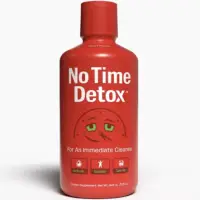
- Hits the "Clean Zone" in just 2 to 4 hours.
- Packed with B-vitamins & Creatine for natural yellow pee.
- Great taste that won't make you sick or throw up.
- Gives you a safe 5-hour window to pass your test.
- Backed by 30+ years of science to save your job and freedom.
- Hits the "Clean Zone" in just 2 to 4 hours.
- Packed with B-vitamins & Creatine for natural yellow pee.
- Great taste that won't make you sick or throw up.
- Gives you a safe 5-hour window to pass your test.
- Backed by 30+ years of science to save your job and freedom.
General effectiveness and user feedback indicate that results are highly variable. Success is significantly influenced by individual factors, including body weight and recent toxin exposure. The 17-ounce bottle is intended for individuals under 200 pounds, while the 32-ounce size is for those over 200 pounds. Furthermore, effectiveness is markedly improved by a minimum of 48 hours of toxin abstinence prior to use. Reliability also varies by toxin levels; heavy or chronic users report much lower success rates than light or occasional users.
User experiences with specific flavors, such as Blueberry Ice and Green Tea Ice, often note an unpleasant, syrupy taste. While some users report passing lab tests by following directions exactly, heavy daily smokers frequently document failures even with strict protocol adherence. This inconsistency leads many to describe the product’s reliability as “a gamble,” dependent on individual metabolism and test sensitivity.
Rescue Detox Ice: Product Overview and Marketed Promises
Rescue Detox Ice is a commercially available herbal cleansing drink marketed as a temporary dietary supplement. It is manufactured by Applied Sciences and distributed through a range of retail channels, including major online retailers, specialty smoke shops, and even local delivery services. The product is positioned as a rapid internal cleanser designed to create a temporary “clean zone” for urine drug tests.
The product is offered in two primary sizes, each targeting a specific user profile:
- 17oz Bottle: This formulation is recommended for individuals weighing under 200 pounds or those assessed as having low to medium toxin levels. The typical retail price ranges from $20 to $25.
- 32oz Bottle: This larger formulation is intended for individuals over 200 pounds or those with high to extreme toxin levels. It generally retails between $30 and $35.
The core marketed purpose of Rescue Detox Ice is to temporarily mask drug metabolites in urine, not to permanently detoxify the body. Its mechanism is described as supporting the body’s natural detoxification pathways in the liver and kidneys to achieve a short-term state of “total body purity.”
The product’s advertising and labeling make several key promises to potential users:
- Rapid Onset: The formula claims to become effective within 60 to 90 minutes of consumption.
- Temporary Window: It promises a “cleansing effect” that lasts for up to 5 hours, creating a specific window for test submission.
- Broad Applicacy: When the correct bottle size is selected, it is advertised as effective for all body types and various levels of toxin exposure.
- Natural Composition: The label emphasizes a blend of natural extracts, such as cranberry and milk thistle, and states the absence of artificial flavors or synthetic dyes.
These claims collectively suggest a fast, reliable, and discreet solution for passing a urine test. However, evaluating the veracity of these promises requires an examination of the product’s actual composition and the science behind its proposed mechanism.
How Rescue Detox Ice Claims to Work: Ingredients and Temporary Masking
The proposed efficacy of Rescue Detox Ice hinges on a mechanism known as in vivo adulteration, a process of internally altering urine chemistry rather than permanently cleansing the body’s tissues. The fundamental principle is temporary masking. Upon ingestion, the formulation aims to flood the urinary system with a high volume of fluids combined with specific diuretics, thereby significantly increasing urine output. This dilution effect is designed to reduce the concentration of detectable drug metabolites—such as those from THC—below the standard thresholds used in laboratory screening.
However, simple dilution would raise immediate red flags during Specimen Validity Testing (SVT), where labs assess a sample’s authenticity. Consequently, the drink’s composition includes a cohort of ingredients intended to replenish key validity markers. These ingredients fall into several stated categories:
- Herbal Diuretics: Extracts like dandelion root and uva ursi are included to promote frequent urination, accelerating the flushing of metabolite-laden urine from the bladder.
- B-Complex Vitamins: Riboflavin (B2) and other B-vitamins serve to impart a natural yellow color to the otherwise clear, diluted urine, preventing visual suspicion from lab technicians.
- Creatine Monohydrate: This compound is metabolized into creatinine, a waste product labs measure to confirm a sample is not excessively watered down. Its inclusion aims to normalize creatinine levels within the expected 20–400 mg/dL range.
- Electrolytes and Minerals: Ingredients such as sodium and potassium are added to help maintain the urine’s specific gravity—its density—within the normal range of 1.003 to 1.030.
The culmination of this process is what manufacturers term a “clean window.” This is a transient period, typically starting 60 to 90 minutes after consumption and lasting for approximately three to five hours, during which the altered urine composition may yield a negative test result. It is critical to note that this represents a short-term masking effect. The drink does not chemically break down or remove drug metabolites stored in fat cells; it only temporarily conceals their presence in urine. Therefore, its reliability is intrinsically linked to precise timing and the successful execution of its internal adulteration strategy. This distinction between temporary masking and permanent detoxification is a foundational concept for understanding the product’s intended use and its inherent limitations.
How to Use Rescue Detox Ice: Step-by-Step Instructions for Drug Tests
To understand the efficacy of Rescue Detox Ice, a precise, step-by-step protocol must be followed. The product’s temporary masking effect is entirely contingent upon strict adherence to these instructions; deviation significantly increases the risk of failure. The following steps synthesize the manufacturer’s guidelines and practical considerations for application.
Step 1: Pre-Test Preparation and Abstinence
Begin preparation at least 48 hours before the scheduled urine test.
- Cease all drug use. This stops the introduction of new toxin metabolites into the system.
- Abstain from alcohol, nicotine, and over-the-counter medications for the same 48-hour period.
- Avoid intense exercise for 24–48 hours prior to the test. Physical exertion can release stored THC metabolites from fat cells into the bloodstream, elevating urine toxin concentrations.
- Increase water intake in the days leading up to the test to support the body’s natural purification processes.
- Fast completely for three hours immediately before beginning the drink protocol. No food or other beverages should be consumed during this window.
Step 2: The Drinking Process and Precise Timing
Initiate the protocol approximately two hours before the scheduled test time.
- Shake the bottle vigorously to ensure all ingredients are thoroughly mixed.
- Consume the entire bottle’s contents smoothly over a 15-minute period.
- Refill and drink water according to the specific bottle size purchased:
- For the 17oz version (recommended for individuals under 200 lbs): Refill the empty bottle with water twice. Drink both refills within 30 minutes.
- For the 32oz version (recommended for individuals over 200 lbs or with high toxin levels): Refill the empty bottle halfway with water. Drink this refill within 30 minutes.
Step 3: Urination and Flushing Phase
After completing the liquid intake, the body must flush the initial, toxin-rich urine.
- Urinate frequently. Aim to urinate at least three times within the 60 to 90 minutes following consumption.
- Ensure the first one or two urinations occur before the test. These voids contain the highest concentration of toxins and must be eliminated from the bladder.
Step 4: Navigating the Masking Window
The product’s effectiveness operates within a critical and limited timeframe.
- Onset: The drink claims to begin working approximately 90 minutes after consumption.
- Peak Effectiveness: The optimal window for providing a sample is generally considered to be two to four hours post-consumption.
- Total Duration: The temporary “clean” window lasts for up to five hours. Testing outside this narrow period drastically reduces the probability of a negative result.
Adherence to this schedule is non-negotiable. Furthermore, continue to avoid food for three hours after consuming the drink. If eating becomes necessary, avoid fatty or greasy foods, as they may interfere with the product’s mechanism. Additional water intake on the test day should be limited to the prescribed refills to avoid triggering a “dilute” test result.
Following these steps precisely leads to specific physiological effects and establishes the critical time window for testing, which the next section details.
- Hits the "Clean Zone" in just 2 to 4 hours.
- Packed with B-vitamins & Creatine for natural yellow pee.
- Great taste that won't make you sick or throw up.
- Gives you a safe 5-hour window to pass your test.
- Backed by 30+ years of science to save your job and freedom.
- Hits the "Clean Zone" in just 2 to 4 hours.
- Packed with B-vitamins & Creatine for natural yellow pee.
- Great taste that won't make you sick or throw up.
- Gives you a safe 5-hour window to pass your test.
- Backed by 30+ years of science to save your job and freedom.
Do’s and Don’ts for Using Rescue Detox Ice Effectively
Adherence to a precise protocol is indicated to maximize the probability of a negative result. The efficacy of Rescue Detox Ice is contingent upon user compliance with a series of preparatory and procedural actions. Conversely, specific common behaviors can actively sabotage the product’s temporary masking mechanism. The following lists delineate the critical actions to take and the significant errors to avoid.
The “Do” List: Actions for Optimal Results
- Do initiate a 48-hour toxin abstinence period. For the study cohort of chronic users, ceasing all toxin exposure—including alcohol, nicotine, and non-essential medications—for at least 48 hours prior to the test is a foundational step. This baseline period allows the body’s metabolic processes to stabilize.
- Do increase water intake in the days before the test. Gradually elevating water consumption in the 2-3 days leading up to the appointment supports the body’s natural purification systems and establishes a hydrated baseline.
- Do shake the bottle vigorously before opening. The product’s ingredients require thorough mixing to ensure a homogeneous solution. Failure to shake the bottle may result in an uneven distribution of the active compounds.
- Do consume the drink smoothly over a 15-minute period. Ingesting the contents at a steady pace, rather than rapidly, is suggested to minimize the risk of gastrointestinal distress, such as nausea or stomach cramps.
- Do follow the exact refill instructions for your bottle size. The protocol differs by volume: the 17oz bottle requires two refills with water, consumed immediately, while the 32oz bottle requires one refill to the halfway point. This step is critical for proper dilution and activation.
- Do urinate at least 3 to 4 times after consumption. This action is non-negotiable. Each urination helps flush metabolites from the bladder, ensuring the test sample is collected during the product’s active masking window. The first urination after drinking the detox should occur within 15-30 minutes.
- Do begin the entire process exactly 2 hours before your test. This timeline accounts for the 60-minute absorption period and the required 3-4 subsequent urinations, aligning the peak masking effect with the sample collection time.
- Do perform an at-home drug test 30–60 minutes before the official appointment. This provides a crucial data point, verifying that the masking window is active and the product is performing as intended before the high-stakes test.
- Do catch your test sample mid-stream. Begin urinating into the toilet, then catch the sample in the cup partway through the stream, and finish urinating into the toilet. This technique ensures the sample contains the most diluted and masked urine, not the initial, more concentrated flow.
The “Don’t” List: Common Mistakes to Avoid
- Don’t engage in intense exercise 24-48 hours before the test. Physical activity induces lipolysis—the breakdown of fat cells. A significant cohort of studies indicates this can release stored THC metabolites back into the bloodstream, potentially spiking detectable levels by up to 25%.
- Don’t use saunas or induce excessive sweating. The hypothesis that sweating excretes THC is not supported by data. Furthermore, heat stress can mobilize fat-stored metabolites similarly to exercise, counteracting the detox process.
- Don’t eat any food for 3 hours before or after drinking the detox. Food in the stomach can absorb the product’s active ingredients, significantly weakening its masking efficacy. If eating is unavoidable, strictly avoid fatty, greasy, or heavy meals, as lipids can interfere with the mechanism.
- Don’t consume diuretics like coffee, cranberry juice, or acidic juices. These substances increase urine production and can lead to over-dilution. Labs flag samples with low creatinine and specific gravity as “diluted” or “invalid,” which often necessitates a re-test under more scrutiny.
- Don’t use the first urine of the day for your test sample. The first morning void contains the highest concentration of metabolites accumulated overnight. Schedule your first urination immediately upon waking to clear this buildup.
- Don’t over-drink water beyond the product’s specific instructions. Excessive hydration is a primary cause of a “diluted” test result. The prescribed refills are calculated to achieve the correct balance; additional water disrupts this and raises suspicion.
- Don’t attempt to “boost” the drink with niacin, vinegar, or goldenseal. These common myths lack clinical evidence for efficacy in clearing THC. Moreover, they carry adverse risks, including tachycardia, severe skin rashes, and gastrointestinal distress, without providing any benefit to the masking process.
Physical Effects and Duration of Rescue Detox Ice: What to Expect
Following the prescribed protocol, users should anticipate a range of physical effects after consuming Rescue Detox Ice. Commonly reported sensations include abdominal bloating and significant increases in urination frequency, driven by the drink’s diuretic properties. Some individuals may experience stomach discomfort or cramps. The presence of cascara sagrada bark extract in the formulation can induce or exacerbate diarrhea, loose stools, and abdominal pain. Furthermore, reports indicate that “burping” during intake can occasionally lead to vomiting, a particularly adverse outcome if it occurs before the solution is fully absorbed. The high fructose and citric acid content may also trigger inflammatory reactions in sensitive individuals, and the diuretic effect carries a risk of dehydration or electrolyte imbalances if fluid intake is not carefully managed.
The product’s efficacy is confined to a specific temporal window. Rescue Detox Ice claims to begin working within 90 minutes of consumption, with a subsequent “cleansing” or masking period that typically lasts up to five hours. Peak effectiveness for such detox drinks generally occurs two to four hours post-consumption. To enter this effective window, users must urinate at least three times after finishing the drink to clear concentrated toxins from the bladder. The first one to two urinations after intake are likely to still contain high concentrations of drug metabolites and are considered unreliable.
A significant visual concern involves urine appearance. While detox drinks often utilize B vitamins to maintain a natural yellow color and prevent a clear, diluted look, certain herbal ingredients can cause discoloration. For instance, Uva Ursi, an ingredient noted in some formulations, is associated with a greenish-brown tint. Any unnatural coloration—whether an unnaturally bright yellow or a greenish hue—can raise immediate suspicion at a collection site, potentially prompting further laboratory confirmation for dilution or adulteration.
Ultimately, this window and these physical effects are not guaranteed for every individual. The reliability of the five-hour masking period is influenced by personal factors such as metabolism, body weight, and existing toxin levels.
Who Might Rescue Detox Ice Work For? Key Factors Influencing Success
The efficacy of temporary masking agents such as Rescue Detox Ice is not uniform across all individuals. Success is contingent upon a confluence of physiological and behavioral variables, creating a significant variance in outcomes. A review of the key influencing factors indicates that personal usage patterns and biology play a determinative role.
Foremost among these factors is the frequency and intensity of prior cannabis use. Occasional users may have a detection window of 3–7 days, whereas daily use extends this to 10–15 days. Chronic, heavy users—those consuming multiple times daily—can maintain detectable baseline THC concentrations for periods exceeding 30 days. Consequently, products designed for temporary masking are generally less reliable for this cohort due to the high baseline metabolite levels stored in the body.
Body composition is another critical determinant. THC is highly lipophilic, accumulating in adipose tissue at concentrations approximately ten times higher than in other tissues. Individuals with a higher body fat percentage possess a larger reservoir for THC storage, leading to a slower overall clearance rate. Furthermore, during normal fat-burning processes (lipolysis), stored THC can be released back into the bloodstream, potentially spiking urine metabolite levels. This biological reality directly addresses a common concern: reliability demonstrably decreases for those with a higher body mass index (BMI), a point often reflected in user experiences.
Metabolic speed, influenced by genetics and overall health, further modulates results. THC is primarily metabolized by specific cytochrome P450 enzymes; genetic variations can reduce this metabolic speed threefold. Additionally, impaired liver or kidney function can slow the clearance of metabolites. For optimal results, a minimum of 48 hours of abstinence is typically required before the cleansing deadline, and the narrow 2–4 hour efficacy window post-consumption demands precise timing. Understanding these variables is essential for gauging personal risk, and researching baseline factors like how long a joint stays in your system provides crucial context for assessing individual detox timelines.
- Hits the "Clean Zone" in just 2 to 4 hours.
- Packed with B-vitamins & Creatine for natural yellow pee.
- Great taste that won't make you sick or throw up.
- Gives you a safe 5-hour window to pass your test.
- Backed by 30+ years of science to save your job and freedom.
- Hits the "Clean Zone" in just 2 to 4 hours.
- Packed with B-vitamins & Creatine for natural yellow pee.
- Great taste that won't make you sick or throw up.
- Gives you a safe 5-hour window to pass your test.
- Backed by 30+ years of science to save your job and freedom.
Safety and Side Effects of Rescue Detox Ice: A Beginner’s Guide
An evaluation of Rescue Detox Ice must consider its potential adverse effects. Reports indicate a significant incidence of gastrointestinal distress among users. Common symptoms include severe nausea and vomiting, often occurring during consumption, which can prevent the product from being fully ingested. Stomach cramps and abdominal pain are also frequently reported, triggered by ingredients such as cascara sagrada. Furthermore, diarrhea and loose stools are common; the product is explicitly contraindicated for individuals with pre-existing gastrointestinal conditions.
The formulation poses risks of dehydration and electrolyte imbalance due to its potent diuretic and laxative components, including dandelion and cascara sagrada. A critical, though less common, risk involves excessive water intake. The protocol often requires drinking large volumes of water to dilute urine, which can lead to acute water intoxication, or hyponatremia. This medical emergency occurs when serum sodium drops below 135 mmol/L, causing cellular swelling. Severe complications can include cerebral edema, seizures, coma, and in extreme cases, respiratory arrest or death.
Additional organ stress is a consideration. Diuretics and high-oxalate ingredients may strain renal function. The high sugar content (30-42 grams per serving) poses a risk for blood sugar spikes, particularly for individuals with diabetes. The preservative potassium sorbate has shown potential genotoxicity in studies.
It is crucial to understand that Rescue Detox Ice is not a substitute for medical advice, and its safety is not verified by the FDA. The product is strictly not recommended for individuals with heart disease, high blood pressure, kidney disease, or for those who are pregnant or nursing. Potential interactions with medications such as blood thinners, heart drugs, and antihypertensives exist.
Understanding these potential risks provides a necessary baseline. Ultimately, reviewing real user experiences can offer a clearer picture of how frequently these side effects manifest in practice.
Real User Experiences with Rescue Detox Ice: Successes and Common Failures
Real-world user feedback provides a critical cohort of data that moves beyond manufacturer claims, offering a baseline of practical outcomes. This feedback reveals a polarized landscape, with success often contingent on specific user habits and strict adherence to protocol.
Reported successes are predominantly associated with light or occasional cannabis users who combine the drink with a period of abstinence of at least 48 hours. Some users have reported passing laboratory tests at facilities like Quest Diagnostics after consuming the 16 oz or 32 oz Cranberry flavor and following the bottle’s directions precisely. These positive outcomes are frequently cited within a narrow 2-to-6-hour window post-consumption, with many users identifying the 3-to-4-hour mark as the optimal peak for testing. Users often credit the inclusion of B vitamins for maintaining a natural yellow urine color, which helps avoid initial visual suspicion of dilution.
However, a significant volume of reports details common and specific failure points. These complaints indicate substantial reliability concerns for a broad user cohort.
- Failed Tests Despite Perfect Use: Heavy or chronic cannabis users frequently report failing both home immunoassay screens and official laboratory tests even after meticulously following the product protocol. The prevailing user perspective suggests metabolites stored in fat tissue resist the temporary masking effect.
- “Diluted” or “Negative Dilute” Results: Laboratories frequently flag samples due to low creatinine levels and low specific gravity. Many employers and testing facilities treat a “negative dilute” result as a failure or grounds for a mandatory observed retest, creating a new set of problems for the user.
- Physical Aversion and Vomiting: A recurring complaint centers on the drink’s extremely unpleasant, “foul,” or “syrupy” taste. For some individuals, this taste induces nausea or vomiting, potentially expelling the solution before absorption and ruining the detox attempt entirely.
- Ineffectiveness Against Sophisticated Lab Analysis: While the product may fool basic screening tests, users report lower success rates with more advanced laboratory testing that monitors sample validity parameters such as pH, nitrites, and glutaraldehyde. This indicates the masking mechanism may be detectable.
User perspectives often frame the product’s mechanism not as true detoxification, but as “flushing and masking.” One user described the taste as the “worst ever,” noting a persistent, nasty aftertaste. This cohort frequently describes using the product as a “gamble” or “last resort” when insufficient abstinence time exists, highlighting a significant element of uncertainty.
Additional caveats further modulate expectations. Body weight is a significant factor, with users over 200 lbs often reporting a need for the 32 oz “double-dose” version. Furthermore, success often requires urinating 3–6 times before the actual test to clear existing metabolites from the bladder.
This landscape of mixed results, where success is conditional and failure carries severe consequences, naturally leads to a comparison with other available methods. Understanding how Rescue Detox Ice stacks up against alternative approaches is essential for evaluating its practical value.
Rescue Detox Ice vs. Other Detox Methods: A Practical Comparison
For individuals facing an imminent drug test, evaluating all available options is a critical step in the decision-making process. The efficacy of any chosen method is paramount, as failure carries significant personal and professional consequences. This comparison examines Rescue Detox Ice alongside two other prevalent categories: home remedies and synthetic urine substitution.
Home Remedies: The Low-Cost, High-Risk Approach
Many individuals initially turn to inexpensive home remedies due to their accessibility and perceived natural properties. However, a clinical review of these methods indicates a consistent pattern of unreliability.
- The Certo detox method (Fruit Pectin): This popular technique claims to trap THC metabolites in the digestive tract. However, it lacks any peer-reviewed validation and is routinely flagged during laboratory specimen validity testing (SVT) for abnormal creatinine levels and specific gravity.
- Acidic Alterations (Vinegar, Lemon Juice): Attempts to alter urine pH with household acids are ineffective at masking metabolites. Modern drug tests include pH validity checks, and such alterations can immediately invalidate a specimen, triggering a retest under more stringent conditions.
- Excessive Hydration (“Water Loading”): Consuming large volumes of water produces a dilute specimen. Laboratories identify this through low creatinine concentration and specific gravity, often resulting in a “diluted” report that necessitates an immediate, frequently observed, re-collection.
While the financial cost of home remedies is minimal, the cohort of users relying on them faces the highest probability of an invalid or positive test result.
Other Commercial Detox Drinks: Similar Claims, Parallel Pitfalls
Rescue Detox Ice operates within the same fundamental category as other commercial detoxification drinks, such as QCarbo or Ultra Eliminex. A comparative analysis reveals more similarities than differences.
- Mechanism: All function primarily as temporary dilution and masking agents, creating a window of 3–5 hours where metabolite concentrations in urine are suppressed below detection thresholds.
- Formulations: While specific herbal blends vary—Rescue Detox Ice utilizes milk thistle and cranberry, for instance—the core diuretic and creatine-supplementing ingredients are largely consistent across brands.
- Reliability Concerns: User-reported success rates for this entire product category are inconsistent. Factors such as individual metabolism, toxin exposure level, and precise timing significantly influence outcomes, making any commercial drink a probabilistic tool rather than a guaranteed solution.
The primary distinction between these products often lies in onset speed and price point, with Rescue Detox Ice positioned as a mid-range option requiring activation approximately 90 minutes prior to testing.
Synthetic Urine: A Fundamentally Different Strategy
Synthetic urine represents a distinct philosophical approach, bypassing the detoxification process entirely. This method involves substituting one’s sample with a laboratory-formulated, drug-free analog.
- Methodology & Composition: High-quality synthetics are engineered to match the chemical profile of human urine, including correct levels of urea, creatinine, uric acid, pH, and specific gravity.
- Success Factors: Its reliability is contingent on two critical variables: the test being unsupervised (allowing for discreet substitution) and the sample being maintained within the strict temperature range of 90–100°F immediately upon submission.
- Evolving Risks: While historically effective, laboratory detection has advanced. Validity testing now screens for low magnesium levels, the presence of biocides, and other chemical signatures absent in human urine. Furthermore, the legal landscape is restrictive, with the use of synthetic urine for drug testing purposes being illegal in several U.S. states.
For the target audience, synthetic urine presents a high-reliability option in unsupervised scenarios but introduces legal exposure and requires flawless execution under pressure.
Practical Evaluation
This comparison indicates that no method exists without a significant trade-off. Home remedies are inexpensive but carry a high failure risk. Commercial detox drinks like Rescue Detox Ice offer a structured protocol but require precise timing and provide only a temporary, uncertain window of efficacy. Synthetic urine can be highly reliable but is legally risky and detectable by advanced screening.
Understanding these practical limitations is essential before committing to a course of action. For those who determine that a detox drink remains their chosen path, ensuring access to the authentic product and following a verified protocol becomes the next critical consideration.
- Hits the "Clean Zone" in just 2 to 4 hours.
- Packed with B-vitamins & Creatine for natural yellow pee.
- Great taste that won't make you sick or throw up.
- Gives you a safe 5-hour window to pass your test.
- Backed by 30+ years of science to save your job and freedom.
- Hits the "Clean Zone" in just 2 to 4 hours.
- Packed with B-vitamins & Creatine for natural yellow pee.
- Great taste that won't make you sick or throw up.
- Gives you a safe 5-hour window to pass your test.
- Backed by 30+ years of science to save your job and freedom.
Where to Buy Rescue Detox Ice Safely and Avoid Counterfeits
For individuals who have selected a detox drink as their method, procuring the authentic product is a baseline requirement. The efficacy of Rescue Detox Ice is contingent upon the integrity of its formula, making the purchase source a primary concern.
Authorized Retailers and Purchase Locations
The product is distributed through a network of authorized resellers rather than direct manufacturer sales. Primary channels include:
- Online Retailers: Platforms such as Walmart.com, AllStar Health, and GoSupps list the product. Delivery applications like Uber Eats may also feature it from local participating stores.
- Physical Smoke Shops: Brick-and-mortar establishments—including DankGeek, Avernic Smoke Shop, Dixie Smoke Shop, and Monster Smoke Shops—frequently stock the item.
- Wholesale Distributors: For bulk purchases, sites like Texas Wholesale and My Smoke Wholesale serve as access points.
The official manufacturer, Applied Sciences, does not sell directly to consumers via its website, directing customers instead to these authorized partners.
Pricing and Size Variations
Pricing indicates significant variation based on retailer and bottle size. The 17oz size typically retails between $20 and $25, while the 32oz size ranges from $30 to $35. However, some physical smoke shops may list the product at substantially higher markups, sometimes reaching $75. This price disparity underscores the importance of comparing sources.
Verifying Authenticity and Product Integrity
To mitigate the risk of counterfeit or degraded product, several verification steps are recommended:
- Inspect Packaging: Ensure the seal is intact and the packaging shows no signs of tampering. The formula relies on natural ingredients without artificial preservatives, so compromised packaging can indicate spoilage.
- Check for Freshness: While the manufacturer does not print an official expiration date, user consensus suggests avoiding bottles older than nine months, as ingredient efficacy may degrade over time.
- Select the Correct Bottle Size: The 32oz bottles are marketed for individuals over 200 lbs or those with a higher toxin load, whereas the 16oz to 17oz sizes are standard for users under 200 lbs. Selecting the appropriate size based on body weight is a critical step often indicated on the product label.
- Proper Storage: The product should be stored in a cool location away from direct sunlight. Refrigeration can improve taste but prepared mixtures should not be stored for more than 24–72 hours. The bottle must be shaken well before opening to ensure proper distribution of ingredients, and once opened, it must be consumed immediately.
Ultimately, the investment in a detox drink is rendered moot if the product itself is inauthentic or expired. Meticulous sourcing is a non-negotiable step in the protocol.
Frequently Asked Questions About Rescue Detox Ice and Detox Drinks
Frequently Asked Questions About Rescue Detox Ice and Detox Drinks
Can labs detect detox drinks?
Modern drug testing laboratories employ Specimen Validity Testing (SVT) to identify tampering. This analysis checks for indicators of adulteration, substitution, or excessive dilution. SVT panels routinely measure parameters such as creatinine levels, specific gravity, pH, and the presence of oxidants. Specific ingredients found in some detox drinks, including certain B vitamins that can alter urine color to an unnatural hue, are flagged by these protocols. Furthermore, precise temperature checks conducted within four minutes of sample collection are designed to identify specimens that are not fresh human urine.
How long do detox drinks actually work?
The efficacy of products like Rescue Detox Ice is temporary. Manufacturer guidelines indicate the drink begins working approximately 90 minutes after consumption. The period of peak masking effect, often termed the “cleansing window,” is typically reported to last up to five hours. This requires users to urinate multiple times within the first 90 minutes to clear metabolites from the bladder. It is critical to understand that this process provides short-term masking, not permanent elimination of drug metabolites from the body.
Why can’t I just drink a lot of water?
Consuming excessive volumes of water does lower the concentration of drug metabolites in urine. However, this method simultaneously depletes essential biomarkers that laboratories use to verify a sample’s authenticity. Critically, water alone reduces creatinine levels and specific gravity. A creatinine level below 20 mg/dL and a specific gravity below 1.003 will cause a sample to be flagged as “dilute.” Under federal testing guidelines, a negative-dilute result often mandates an immediate recollection, frequently under direct observation, which eliminates any advantage gained.
Will it work for other drugs like cocaine or pills?
Rescue Detox Ice is primarily marketed for THC metabolites. Anecdotal evidence regarding its effectiveness for substances such as cocaine is limited and unreliable, with no substantial manufacturer claims or clinical data supporting its use for opiates or methamphetamine. The persistence of metabolites for these other substances varies, and the temporary dilution effect offered by such drinks is generally considered insufficient for consistent, reliable masking. Success rates are significantly higher for light or infrequent cannabis users compared to those with a high toxin load from other drugs.
The Limits of Rescue Detox Ice: Why Reliability Is Crucial
The operational limitations of Rescue Detox Ice fundamentally compromise its reliability for high-stakes testing scenarios. The product’s efficacy is predicated on a narrow, temporary masking window—typically peaking two to four hours after consumption—which demands precise timing that is often impractical for scheduled or observed tests. For a cohort of frequent or daily users, the masking effect is frequently insufficient to overcome a high metabolite load, leading to significant failure rates even when protocols are followed exactly.
Furthermore, the core mechanism relies on substantial fluid intake, which introduces a critical risk: producing a “negative dilute” test result. This outcome often triggers a mandatory retest, extending the period of uncertainty and suspicion, or is treated as a failed test by some employers. Physical adverse effects are also reported, including gastrointestinal distress from ingredients like cascara sagrada and the high sugar content, which can cause electrolyte imbalances.
These technical shortcomings must be evaluated against the severe real-world consequences of a failed test. For private-sector employees, a positive result can lead to immediate termination. Individuals on probation face violation hearings, potential revocation, and incarceration, making passing a drug screen for probation a critical priority. Safety-sensitive roles regulated by the Department of Transportation require immediate removal from duty and a costly, multi-year return-to-duty process. In several states, the act of using a product to falsify a test can itself carry criminal penalties.
Given these significant risks, many people facing critical tests look for a more dependable approach.
Toxin Rid Detox Kits: A More Reliable Alternative to Rescue Detox Ice
Toxin Rid Detox Kits represent a fundamentally different category of product compared to temporary masking agents like Rescue Detox Ice. Where a detox drink aims to create a brief window of concealment, a comprehensive kit is designed to accelerate the body’s own natural elimination pathways. This distinction is critical for individuals who cannot afford the uncertainty of a temporary mask.
The core of the Toxin Rid system is a multi-day program structured to match the user’s specific level of toxin exposure. Programs are available in 1, 2, 3, 4, 5, 7, and 10-day durations, with selection based on usage frequency. For instance, a 1-day program targets infrequent exposure, while a 10-day program is formulated for heavy, multiple-times-daily use. This tiered approach acknowledges that the toxin load from chronic consumption requires a more sustained intervention than a single beverage can provide.
The mechanism of action is threefold, targeting multiple elimination routes. First, Pre-Rid tablets—containing ingredients like alfalfa and kelp—work to alkalize metabolites, increasing their water solubility for excretion through urine. Second, dietary fiber, primarily psyllium husk, binds toxins in the digestive tract to promote their expulsion through stool. Research indicates that fecal elimination accounts for a significant portion of THC excretion. Third, a detox liquid is used on the final day to flush residual metabolites from the bloodstream. This integrated process aims to permanently reduce the body’s toxin burden, provided no further exposure occurs.
This methodology directly addresses the primary shortcoming of a masking agent: its ephemeral efficacy. A temporary mask relies on perfect timing and carries the inherent risk of laboratory detection if the window is miscalculated. In contrast, a program like Toxin Rid seeks to produce a genuinely negative sample by removing metabolites. Furthermore, some kits include at-home THC test strips, offering a means of verification before the official screening. For individuals considering specialized THC detox pills, this multi-day, multi-mechanism approach offers a more thorough, albeit more involved, pathway to cleansing the system. The choice ultimately hinges on the user’s need for certainty and their willingness to commit to a structured, days-long regimen versus a short-term solution.
Beyond Detox Drinks: Advanced Strategies for Passing a Drug Test
For individuals seeking to mitigate the profound anxiety associated with impending drug screenings, several advanced, practical strategies extend beyond the consumption of detoxification beverages. These methods focus on verification, contingency planning, and logistical optimization to bolster confidence.
A primary contingency measure involves the utilization of synthetic urine as a backup specimen. This product is engineered to mimic the chemical composition of human urine, including urea, creatinine, uric acid, pH (typically 4.5–8.0), and specific gravity (1.002–1.030). Its efficacy, however, is largely contingent upon the test being conducted in an unsupervised collection setting. Furthermore, laboratories employing advanced Specimen Validity Testing (SVT) can identify anomalies such as low uric acid or absent specific biomarkers, presenting a significant risk of failure. Critical to any synthetic urine strategy is meticulous temperature management. The submitted specimen must register between 90°F and 100°F (32°C to 38°C) within four minutes of collection, a requirement that necessitates the use of heating pads, microwave activation, or heat activator powder.
The most reliable method for alleviating pre-test stress is direct verification of one’s status using at-home drug test strips. Utilizing FDA-cleared or approved kits can provide 95–99% accuracy relative to initial laboratory screenings. For the most dependable results, testing should be conducted with first-morning urine or a midstream sample. It is crucial to interpret any visible line, regardless of its faintness, as a negative result. Individuals should also note that confirmatory laboratory tests may employ a more sensitive cutoff concentration (e.g., 15 ng/mL for THC) than the standard 50 ng/mL threshold used in most at-home immunoassays.
Finally, a simple logistical adjustment can provide valuable preparation time. When scheduling options exist, selecting an afternoon appointment allows for extended fasting, precise hydration, and final verification steps, thereby reducing the pressure of a morning deadline. These combined strategies—contingency planning, empirical verification, and schedule management—constitute a multi-layered approach to navigating the drug testing process with greater assurance.
Key Takeaways: Making an Informed Choice for Your Drug Test
The analysis indicates that Rescue Detox Ice functions primarily as a temporary masking agent, a classification that carries significant reliability risks for individuals facing high-stakes urinalysis. Its efficacy is not supported by clinical testing, and real-world user reports frequently cite test failures, particularly among cohorts with higher baseline toxin levels from frequent use. The product’s mechanism relies on dilution within a narrow temporal window, which itself can generate a “negative dilute” result, potentially mandating a retest under more stringent conditions.
For situations where the consequence of a positive result is severe—such as job loss or legal repercussions—a method predicated on temporary masking introduces an unacceptable level of uncertainty. Ultimately, a more dependable strategy involves a multi-day detoxification program designed to accelerate the body’s natural metabolite elimination processes. Programs such as Toxin Rid are engineered to support hepatic and renal function over several days, offering a verifiable reduction in toxin load rather than a short-term concealment. Data suggest that when the program length is correctly matched to an individual’s usage pattern, success rates for such comprehensive approaches are substantially higher.
To make an informed decision, individuals should first assess their consumption frequency and body composition to select a method proportionate to their need for certainty. Regardless of the chosen path, empirical verification using an FDA-cleared home drug test kit prior to the official screening is a critical final step. This layered approach—combining an appropriate detox strategy with independent verification—provides the most robust foundation for navigating the testing process with confidence.